How much does a good cider cost?
What factors are taken into account when pricing cider?
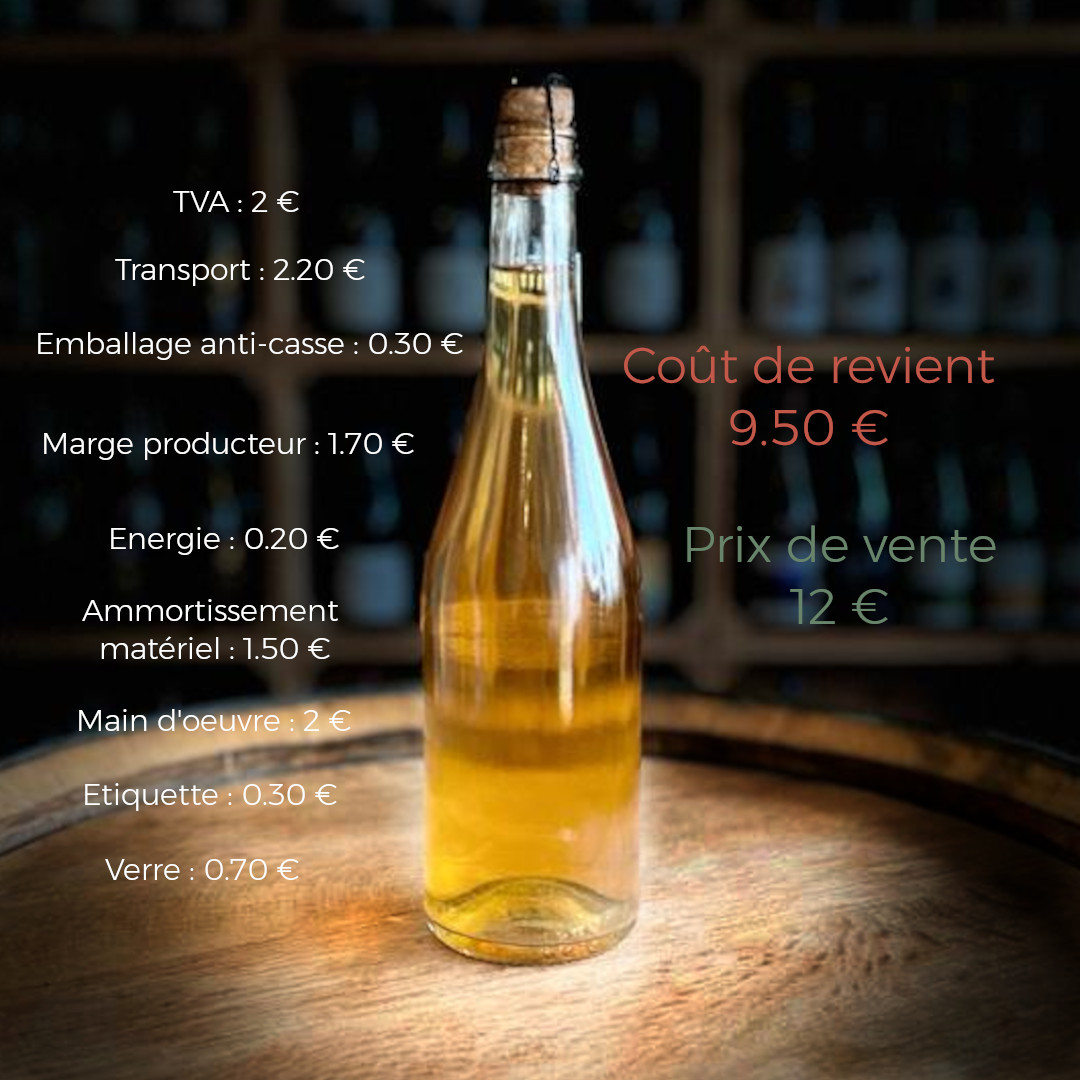
Several factors can influence the price of cider, starting with the cost of raw materials, specifically apples. Prices vary based on their quality, unique characteristics, or origin, whether they come from organic orchards or renowned regions such as the Basque Country, Brittany, or Normandy. This difference in cost is directly reflected in the final price of the bottle for the consumer.
The production process, from fermentation to aging, as well as packaging choices such as the use of glass bottles, or cardboard cases, also plays a role. Each of these stages requires resources, time, and labor, all of which impact the product’s price.
Transportation costs for both raw materials and finished goods are essential in setting the retail price of cider. Increases in transport costs can result from several factors, especially rising fuel prices and logistical fees, directly influencing the price per bottle.
To ensure sustainability and profitability, producers and distributors apply a profit margin. In addition to these elements, taxes such as the VAT and other eventual taxes are added, further impacting the final cost to the consumer.
Ultimately, the cost of cider reflects the combined efforts of producers and distributors, from the selection of raw materials and the manufacturing process to packaging, transport, and taxation. All these factors combined influence the final price of the cider.
The Price of Industrial, Artisanal, and Farmhouse Cider
Cider prices in major supermarkets, whether it is at Leclerc, Carrefour or Intermarché, fluctuate between 1,80€ and 5,30€ depending on the brand, the type of cider, its origin and its quality. This price variation can be explained by industrial and highly automated production techniques using lower quality, less expensive raw materials produced in very large quantities.
On the other hand, in contrast to supermarket ciders, the production of artisanal cider follows a completely different process, which explains why the price may be slightly higher. Artisanal cider makers meticulously select high-quality apples, often sourced from neighboring orchards. This choice is due to the fact that many producers are young artisans whose own orchards are not yet fully mature or do not yet yield enough apples. Consequently, they purchase premium local apples to guarantee the excellence of their product.
Once the apples have been acquired, the production process can begin.
The slightly higher cost of artisanal cider compared to industrial cider can be explained by the quality of the ingredients used and a more meticulous production process. Prices for a bottle of artisanal cider are typically around 9€.
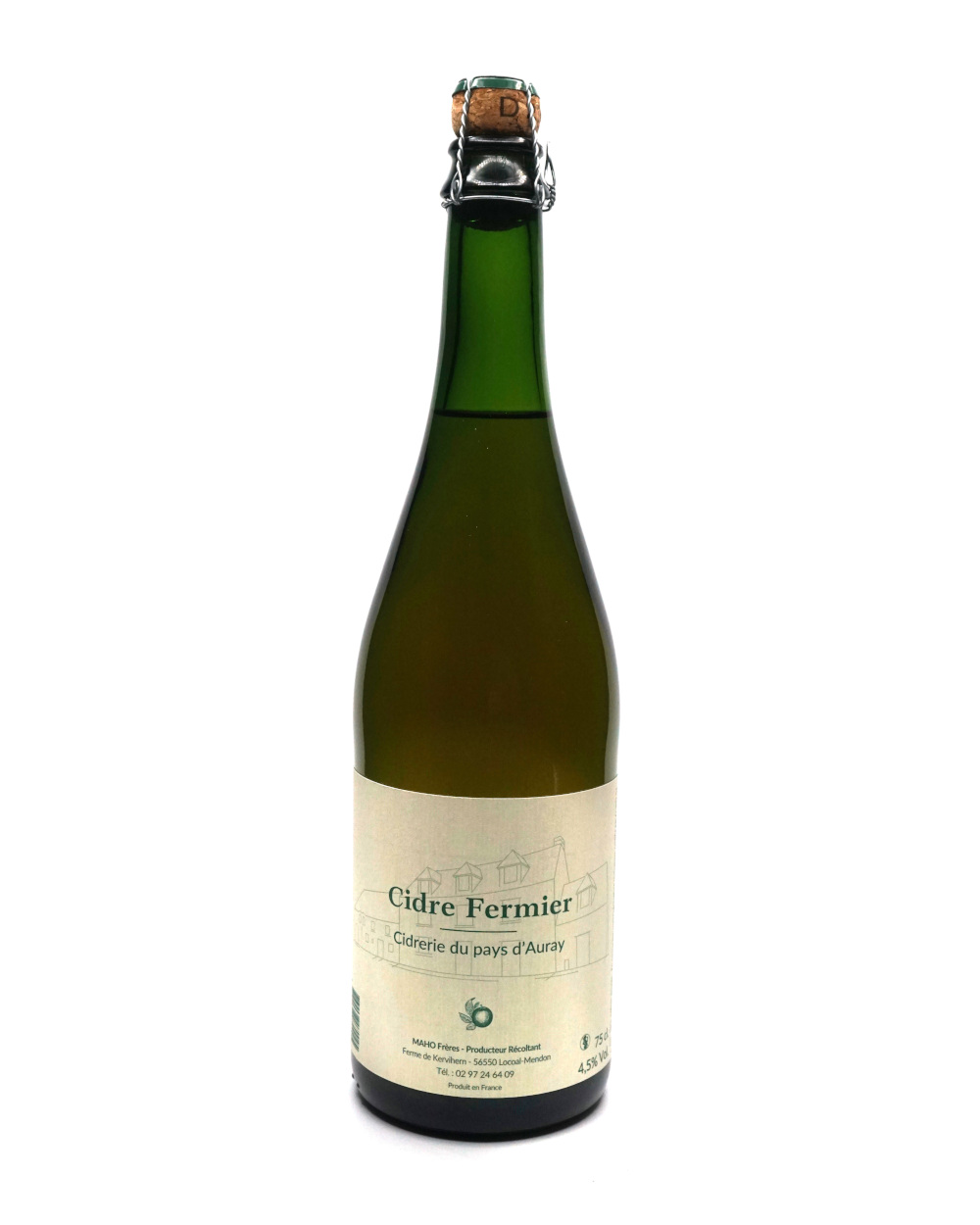
As for farmhouse cider, the main difference from artisanal cider lies in the source of the apples, they come directly from the producer’s own orchard. The production steps are identical to those of artisanal cider. These stages highlight the complex process and knowledge of cider makers.
Consequently, the average price for a bottle of farmhouse cider is 11€. However, some bottles may be more expensive because of special vintage or if they are considered prestigious ciders.
The price of sweet and dry cider
The two most well-known types of cider are dry (brut) and sweet (doux). The price for a bottle of dry cider is approximately around 10€ for a 75cl bottle. For sweet cider, the price is 8€ for a 75cl bottle.
The price difference can be explained by the fermentation process. Sweet cider requires stopping the fermentation before all the sugar is converted into alcohol, thus retaining a higher sugar content but resulting in a lower alcohol by volume.
In contrast, dry cider undergoes a longer fermentation process, which reduces sugar content but leads to higher alcohol content. This extended cellar work generally results in a higher price compared to sweet cider.
The price of organic and natural cider
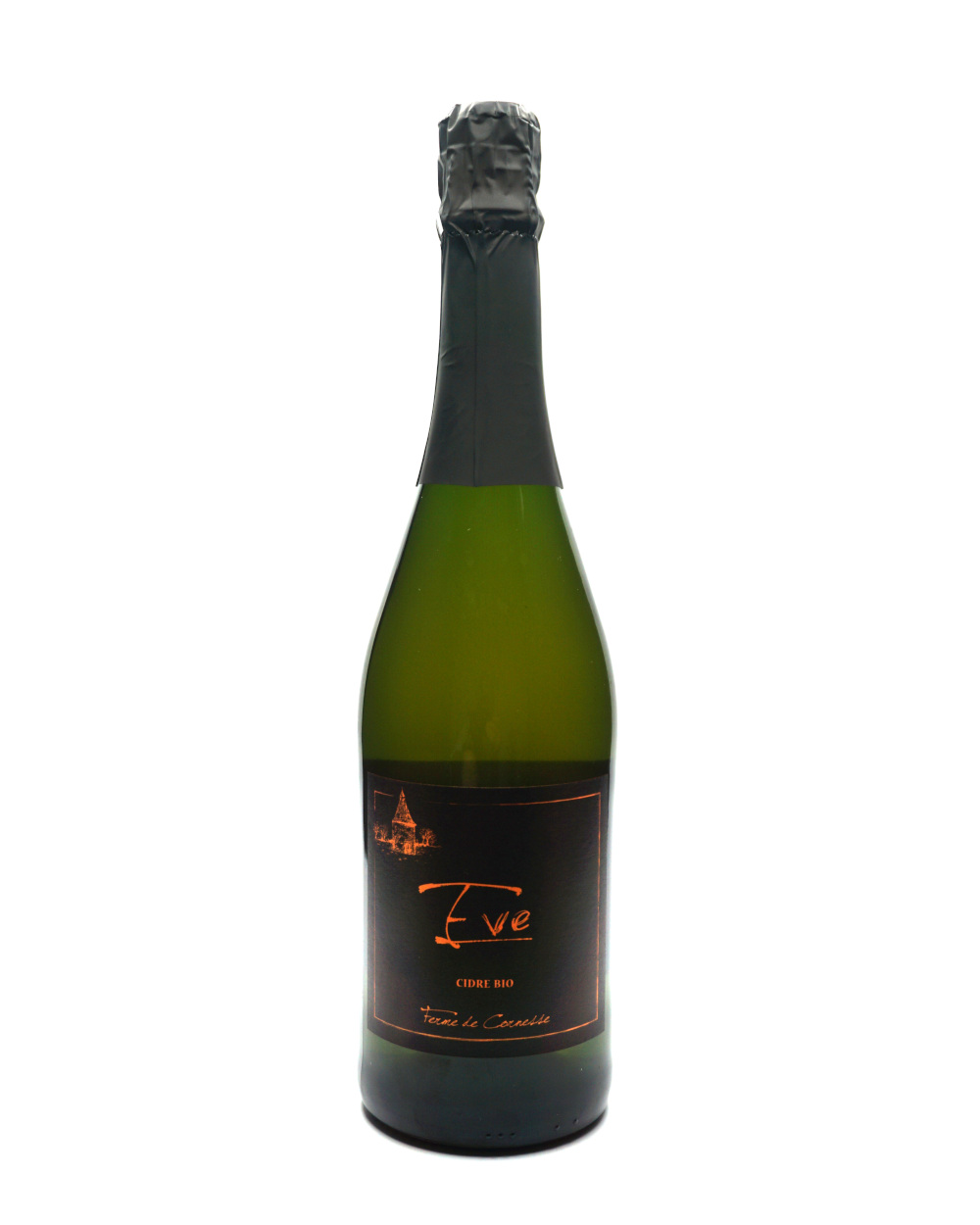
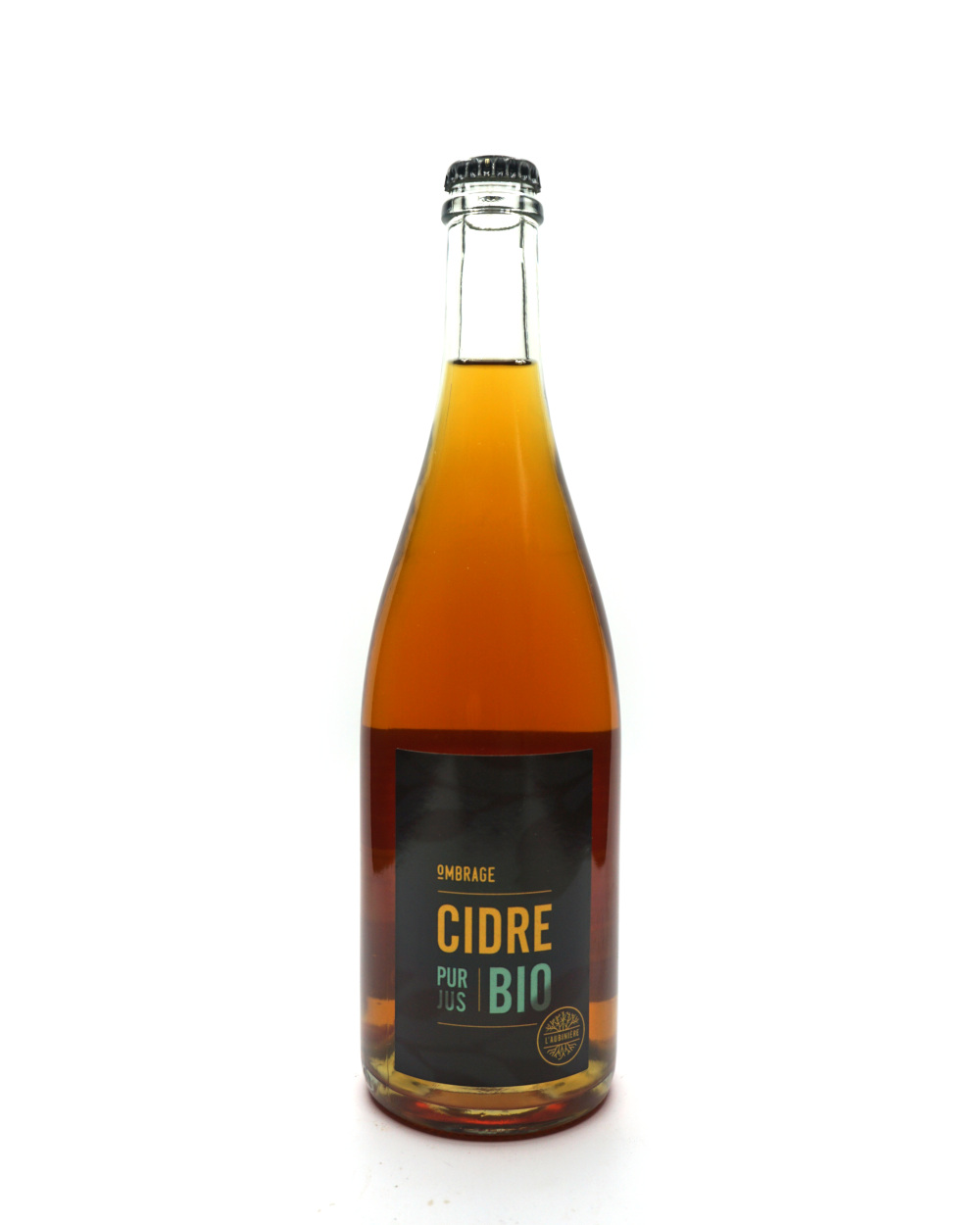
Organic and natural cider may appeal with its authentic taste, but its cost can often raise questions. Here are some of the reasons that justify this expense. Choosing to produce organic cider implies a commitment to the environment, favorizing the preservation of biodiversity.
Producers opt for more sustainable farming practices, avoiding the use of chemicals in the orchards. This approach, while essential for protecting the health of the soil and wildlife, requires much more meticulous attention to fruit trees. It leads to additional costs and lower yields, which are reflected in the price of organic cider.
Natural cider relies on “natural carbonation”, which involves extended fermentation where the yeast has the necessary time to convert sugars into alcohol and carbon dioxide.
This is how the cider naturally gains its effervescence without the artificial addition of CO2. This traditional method requires constant vigilance, delicate handling of natural yeasts, and prolonged fermentation time, all factors that contribute to a higher price.
The decision to not pasteurize and preserve the cider as a 100% pure juice is another element that influences the price. Pasteurization, often used to extend shelf life, is avoided to preserve the integrity of both flavors and nutrients.
Together, these various elements explain why the price of organic cider is slightly above average, generally valued at 12€, compared to traditional ciders which are priced around 9€.
Today, cider is revealing a more daring and uninhibited side, with aged ciders, hopped ciders, barrel-aged varieties, flavored blends, vintages, and co-fermentations… Come and explore them!