Cidre, chistr, cider, sidra, apfelwein, sagardo… So many names that clearly evoke a booming global cider culture… But what do you really know about cider? Join us on a journey to the very origins of cider making.
Cider: Origins and Definition
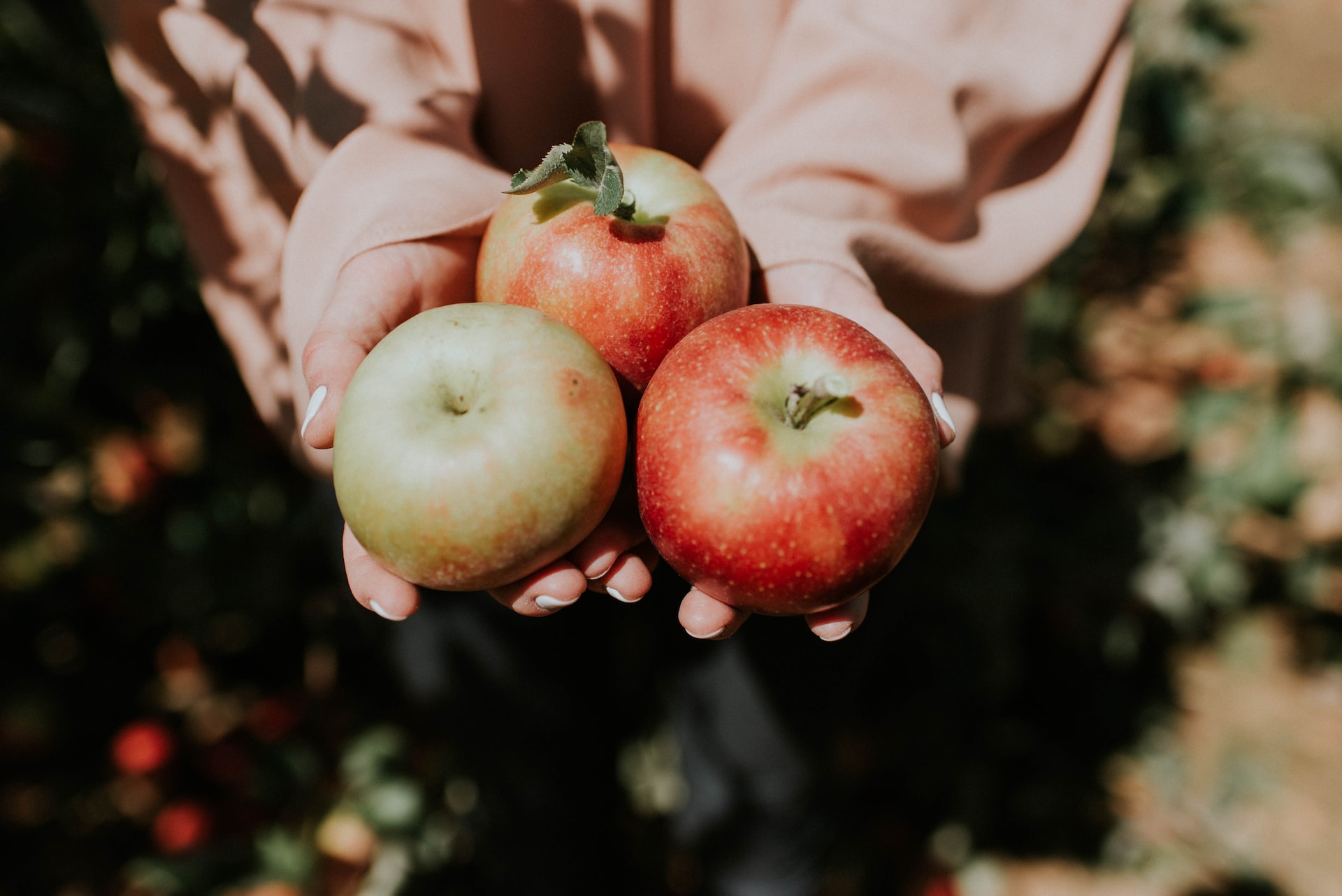
Photo de Natalie Grainger sur unsplash
What is Cider?
Let’s begin our overview with the legal definition of cider in France. Clearly, we would all opt for a simple, basic and well-defined definition: cider is an alcoholic beverage resulting from the fermentation of fresh apple must.
However, you should know that since 1953, the legal decree governing the term hasn’t budged a single millimeter. It states that cider must be obtained through the fermentation of fresh apple must, or a blend of fresh apple and pear must, extracted with or without the addition of water.
Furthermore, it can legally contain up to 50% of water or concentrated juice…which implies that not all ciders are created equal!
Back to the origins… The history of cider
Much is based on presumptions. rather than certainty. Between the Bretons and the Normans, the battle has always been fierce regarding the original source of cider making.
But long before Britany or Normandy cider, it may well be possible that the Sumerians, 4,000 years before, were the first to experiment with fruits fermentation.
Later, according to Strabo, the Gauls consumed sizra. In the Middle Ages, numerous written records mention pomorium or even pomacium revealing that fermented wild apple and pear pieces in water were consumed within abbeys.
The Frankfurt region, the Basque country, and the northern Spanish coasts likely shaped the early stages of dry and sour apple wines, which remains true cultural wines, which remains true cultural staples in these regions today.
In the XI century, extensive maritime trade along the English Channel and the Atlantic facilitated the bartering of grafts. The XII century then saw the development of many orchards in Normandy and later in Britany. Nevertheless, wine and beer remained the most consumed beverages at the time, due to their easier production processes.
The Historical Rollercoaster
The XIII century marked a turning point in the development of cider across Europe. The invention of the “tour à piler” (crushing mill) and improved pressing techniques greatly facilitated the producer’s work. Taking advantage of a cereal crisis, significant oenological progress, and varietal selection, the orchard’s nectar conquered all parts of Europe where vineyards were not established. Consequently, by the 16th century, ciderbecame the most consumed beverage in both Brittany and Normandy, surpassing both ale and wine.
By the end of the XVII century, the state began to favor wine over cider which was difficult to regulate and therefore, to tax. The latter was subjected to heavy taxes and consumption bans in certain areas. The town’s planning and the abundant industrialization of the beginning of the XIX century dealt with a near-fatal blow to the orchards, which began to vanish already dying orchards. However, this didn’t account for the unprecedented phylloxera crisis which destroyed all European vineyards over a 50 year’s period and saved the cider industry. The demand bolted and cider production quadrupled in just 30 years.
During the first world war, cider producers were called upon to produce massive quantities for distillation to manufacture gunpowder and fuel. Quality was no longer a priority, and wine made its return to the trenches. As for the bombings of the Second World War, they ended up destroying half of Normandy’s orchards. The focus shifted to feeding the population through mass production. Consequently, low stem orchards replaced the high stem trees, often pulled due to their less important yield.
It would take more than 50 years for ciders to regild its reputation and return to our tables. In 1996, the first two AOCs were established, with 3 more to follow.
Today, a new generation is determined to promote high-quality ciders that reflect the terroir and a history that is only just beginning. It is these producers and their ciders that we are proud to offer you.
Want to learn more about cider? Check out the other articles in our guide: