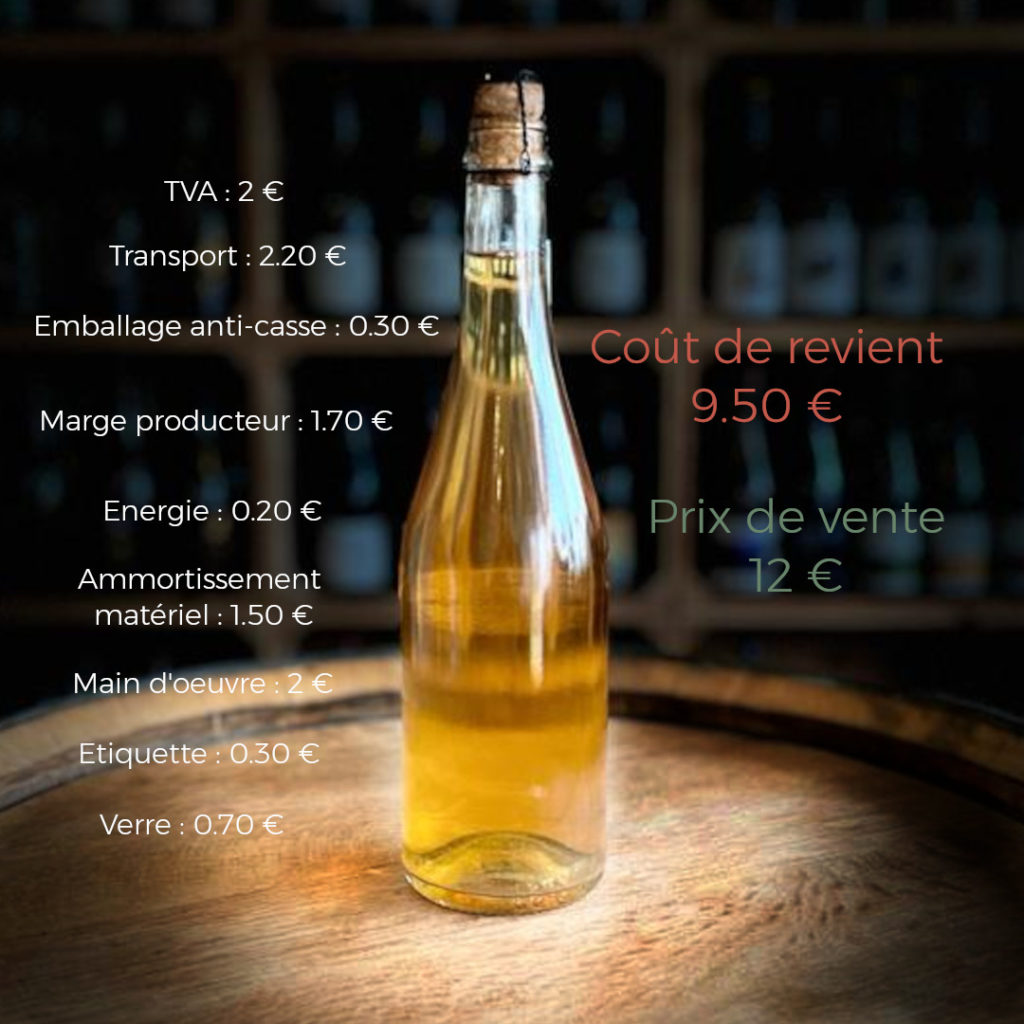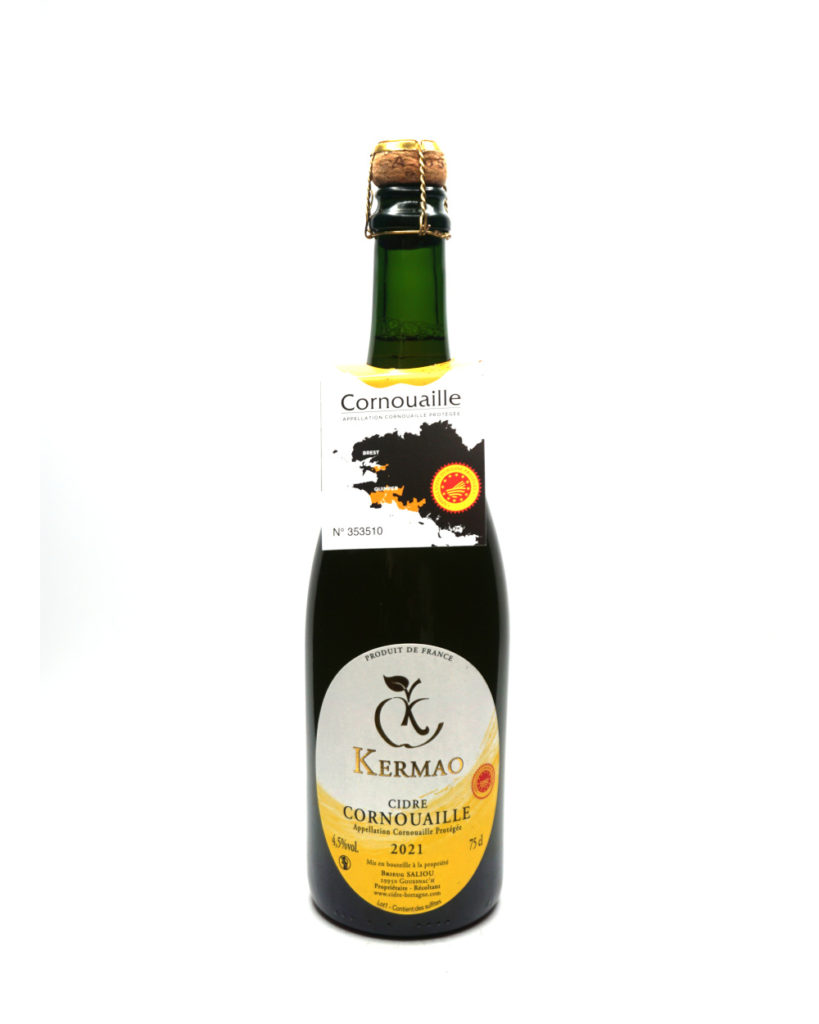
Cider is the perfect companion for meals with friends, crêpe nights, summer gatherings, and family celebrations. However, there is a stark difference between a carefully crafted farmhouse or artisanal cider and the mass-produced ciders from large cooperatives.
Farmhouse and Artisanal Cider vs. Cooperative Cider
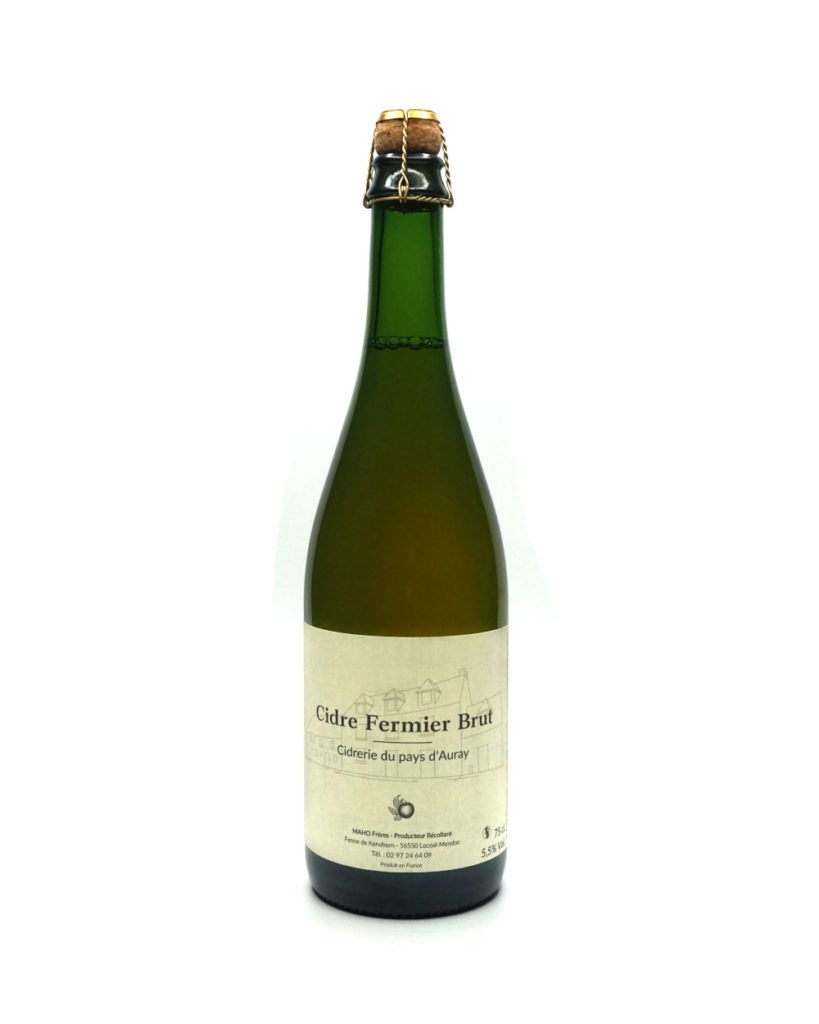
The distinction between Farmhouse and Artisanal Cider
According to the Official Journal of the French Republic of February 21, 2025, the origin of the fruit is what distinguishes farmhouse cider from artisanal cider.
A producer may use the term “farmhouse cider” when every stage of production, from the harvesting of apples or pears to packaging, takes place directly on their farm, they must use only fruit from their own orchard, with no added concentrated must.
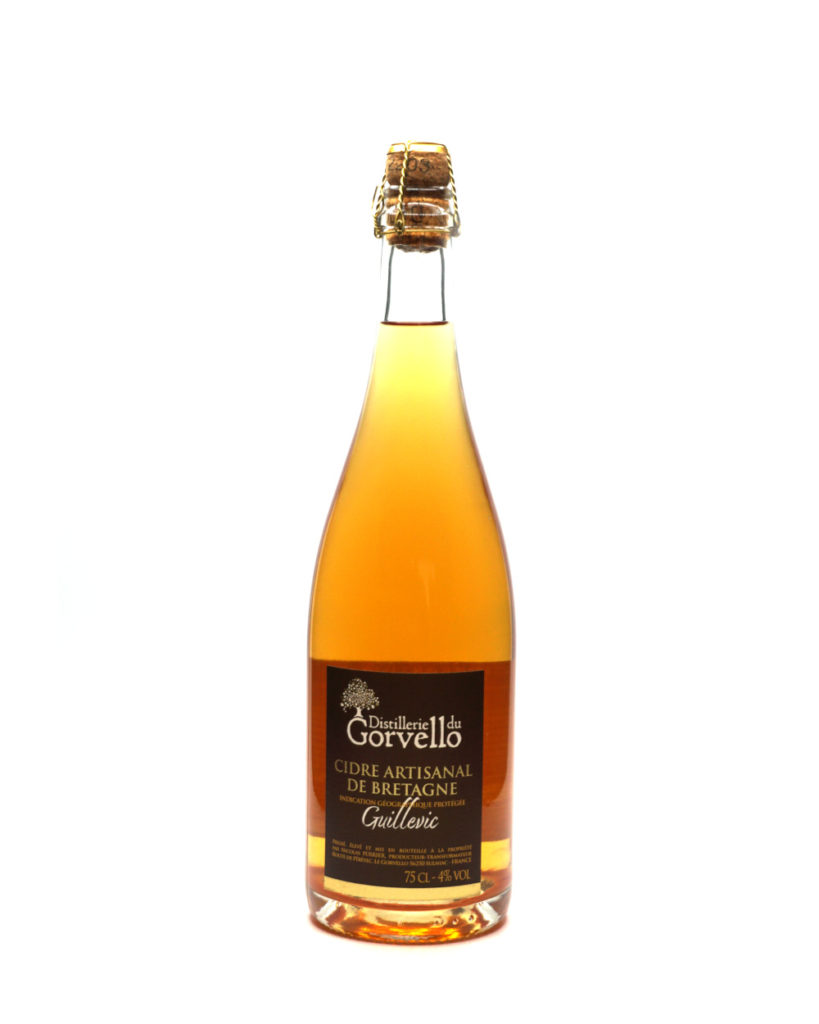
An artisan may use the term “artisanal cider” when they personally carry out all processing and packaging operations. However, they are permitted to source apples or pears from other orchards. As with farmhouse cider, the use of concentrated must remain strictly prohibited.
In summary, a producer craft farmhouse cider exclusively with fruit from their own estate, while an artisan may produce artisanal cider using fruit sourced from external orchards.
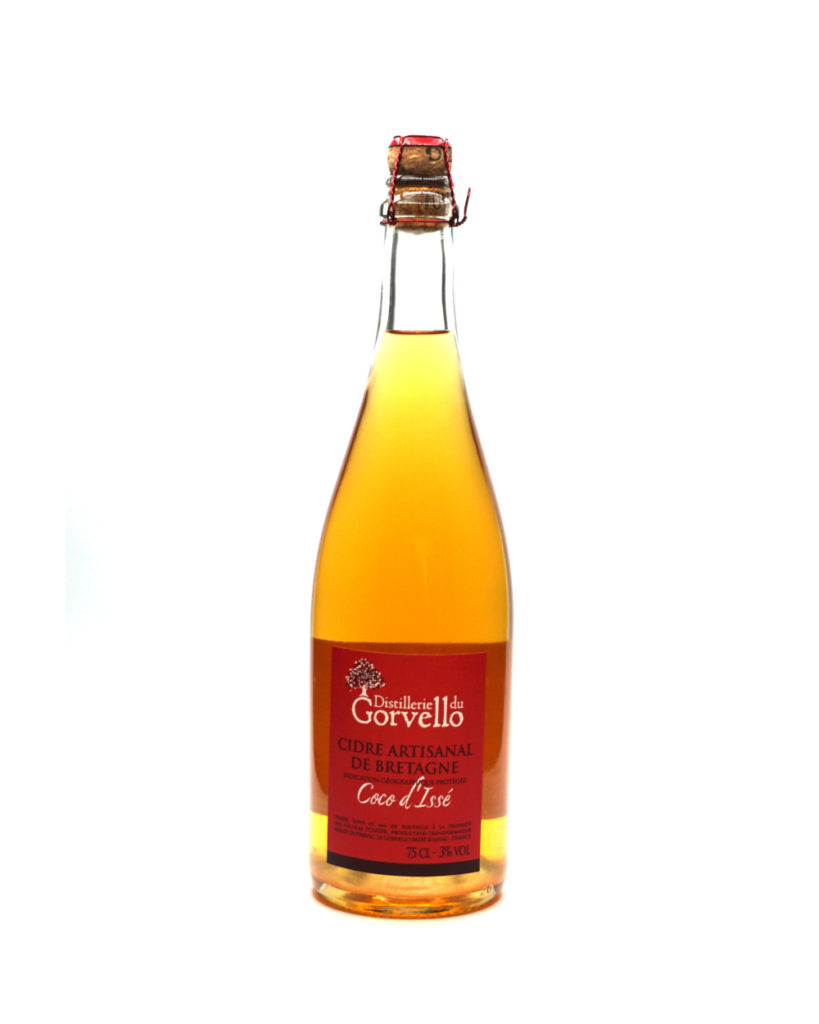
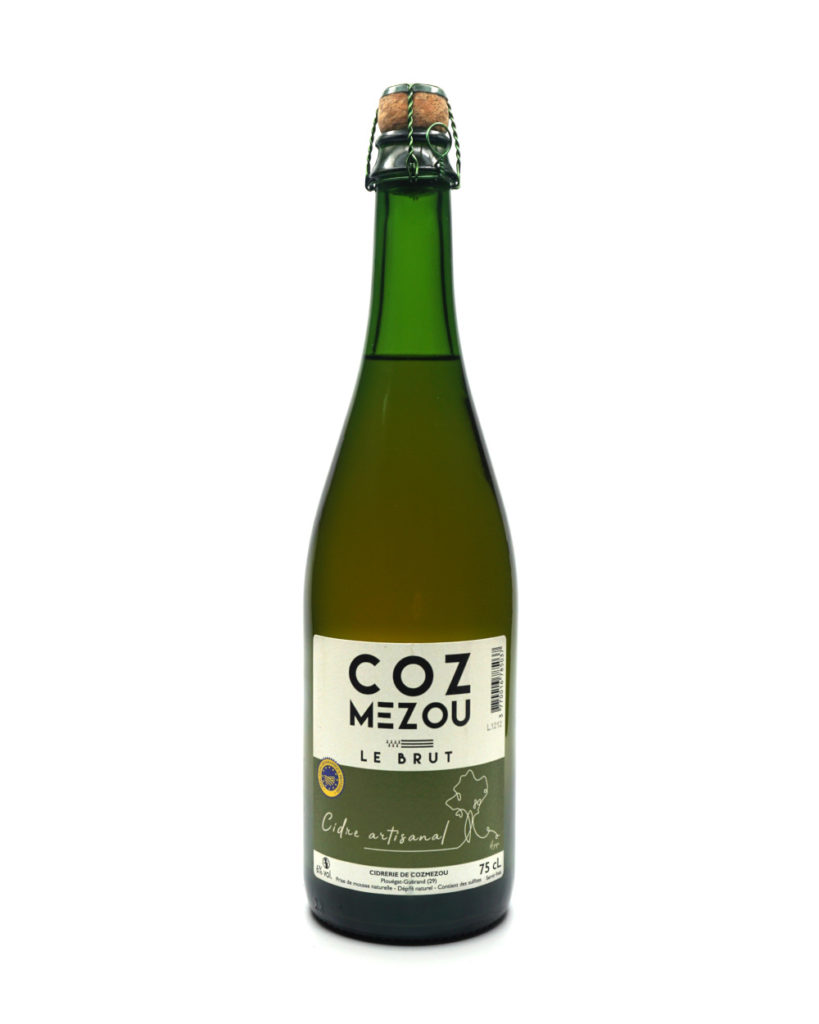
The authentic taste of Farmhouse and Artisanal cider
Farmhouse and artisanal cider makers offer a true tasting experience by crafting their ciders from local apples. Through this choice, they reveal a unique palette of flavors: sweetness, acidity, fruity notes or subtle hints of spice…Every sip becomes a discovery. Much like a home-cooked meal compared to an industrial one, homemade always brings more flavors to the table.
In contrast, cider cooperatives mass-produce standardized and pasteurized ciders, thought to appeal to the widest possible audience. They prioritize yield by selecting less aromatic apples, resulting in a cider that is often blander and less expressive.
Craftmanship that takes it time
Small-scale producers take the time to do things right. They allow fermentation to unfold slowly, sometimes in oak barrels, to enable the aromas to develop fully. They master every stage with precision to achieve a rich and complex cider. For an authentic experience, look for ciders or perries labeled “natural effervescence” or “natural carbonation”.
In contrast, the cider industry accelerates the process to meet demand. It focuses on efficiency, but often at the expense of flavor. A cider that hasn’t been given the time to mature lacks depth and nuance.
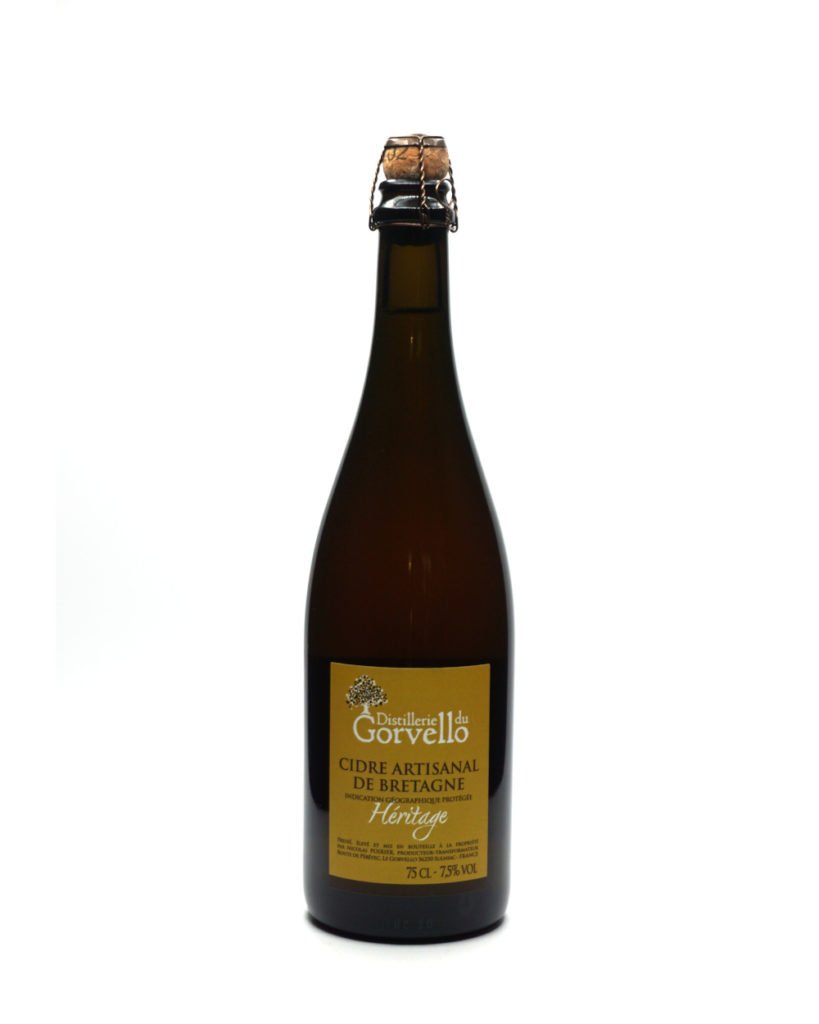
An increasing number of producers are now offering “vintage” farmhouse ciders, much like in the wine world. By extending the aging process, they guarantee a cider raised with patience, offering a drink that is both refined and sincere.
The authenticity of cider without artifices
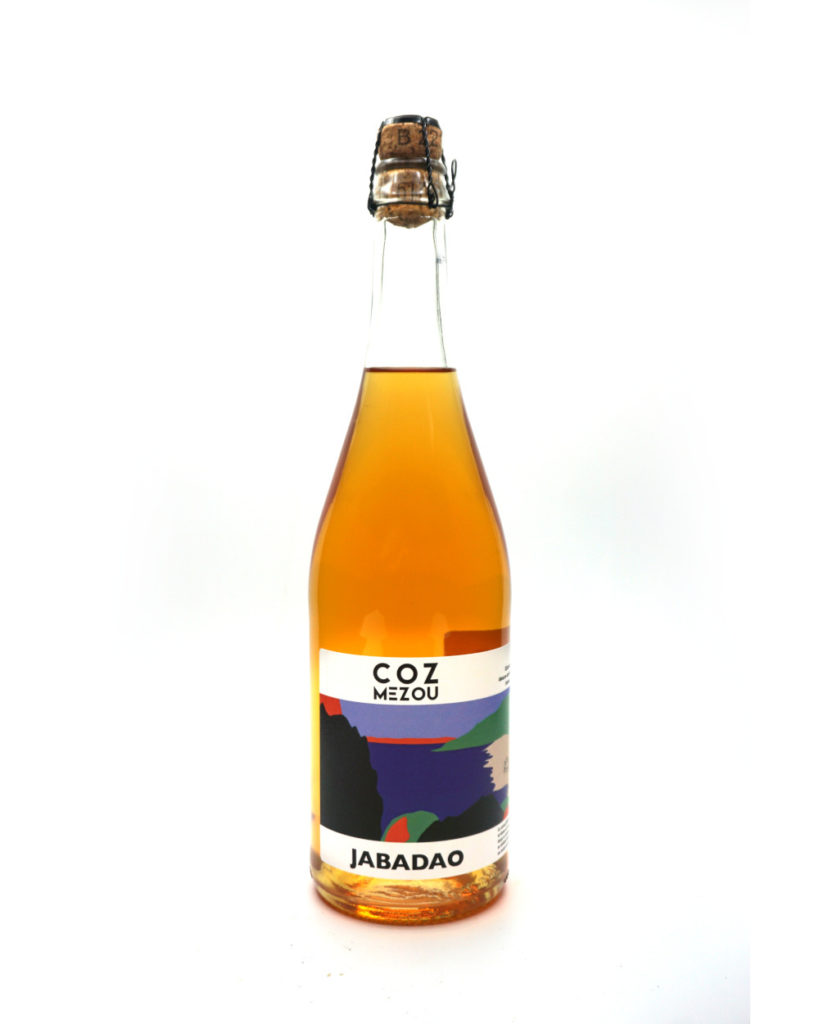
If you value simplicity and authenticity, then artisanal and farmhouse ciders are made for you. Most are produced with minimal intervention, often organic, using indigenous yeasts and natural carbonation, with no added sulphites. The taste is pure, natural, and sincere, completely free of artificial additives.
Terroir: A guarantee of quality
Farmhouse and artisanal producers are deeply attached to their region. They prioritize local apples, and respect nature throughout their production. Buying a farmhouse or artisanal cider means supporting the local economy and encouraging environmentally friendly production.
In contrast, some large cider houses often use standardized apples, frequently of vague origin, driven by a logic of profitability and volume at expense of quality.
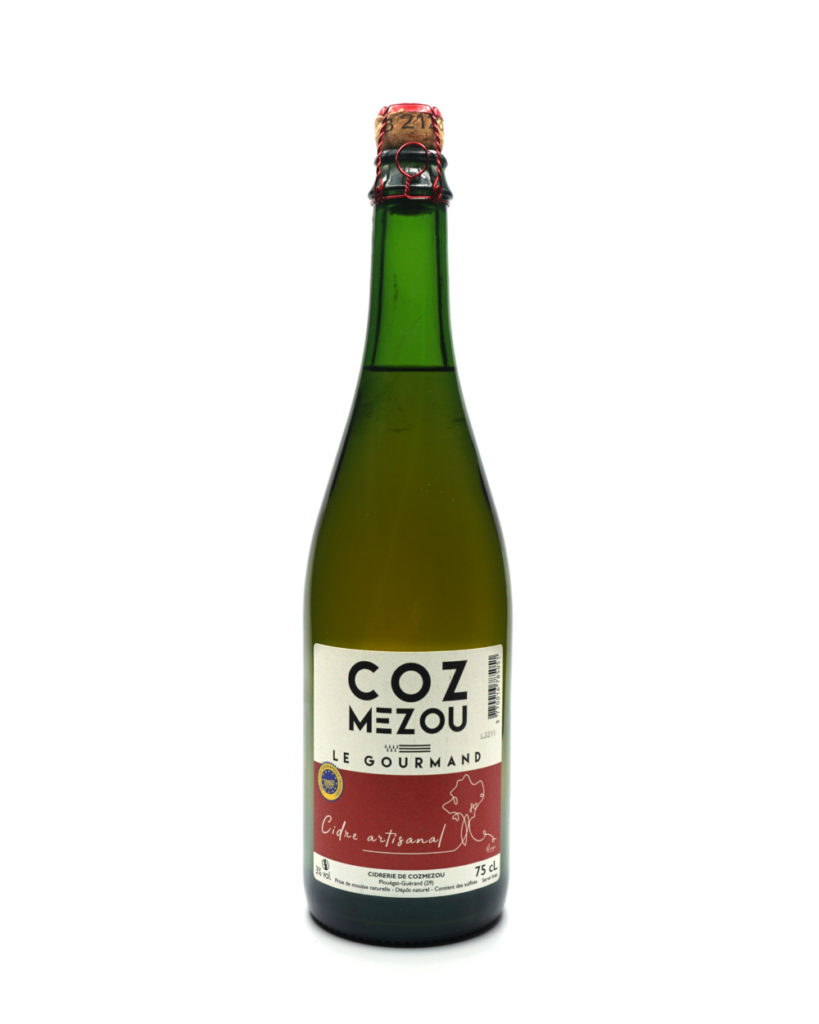
Why choose a Farmhouse or Artisanal Cider?
By choosing a farmhouse or artisanal cider, you are supporting local producers and preserving traditional savoir-faire. These small businesses pour time and passion into every bottle, offering ciders with diverse, unique, and natural flavors.
Whether you enjoy sweet, dry, easy-drinking, or more complex cider, you are spoiled for choice. By opting for a farmhouse or artisanal cider, you are prioritizing quality, authenticity, and an environmentally friendly approach. Look for ciders and perries labeled “natural effervescence” or “natural carbonation” for a more authentic experience.
Take note! Some cooperatives produce cider using artisanal methods, but they often pasteurize them and add CO2 to control the carbonation, as well as sulfites to stabilize the product. These processes alter the very essence of the cider.
Next time you buy cider, take a moment to read the label! Look for the terms “farmhouse”, “artisanal”, “natural effervescence”, and “pure juice” to ensure you are savoring a truly high-quality cider.
Discover our farm-fresh and artisanal ciders from all over France.