Drink menu: a clue to the best crêperies

“Where you drink well, you eat well too, though the reverse isn’t always true!”

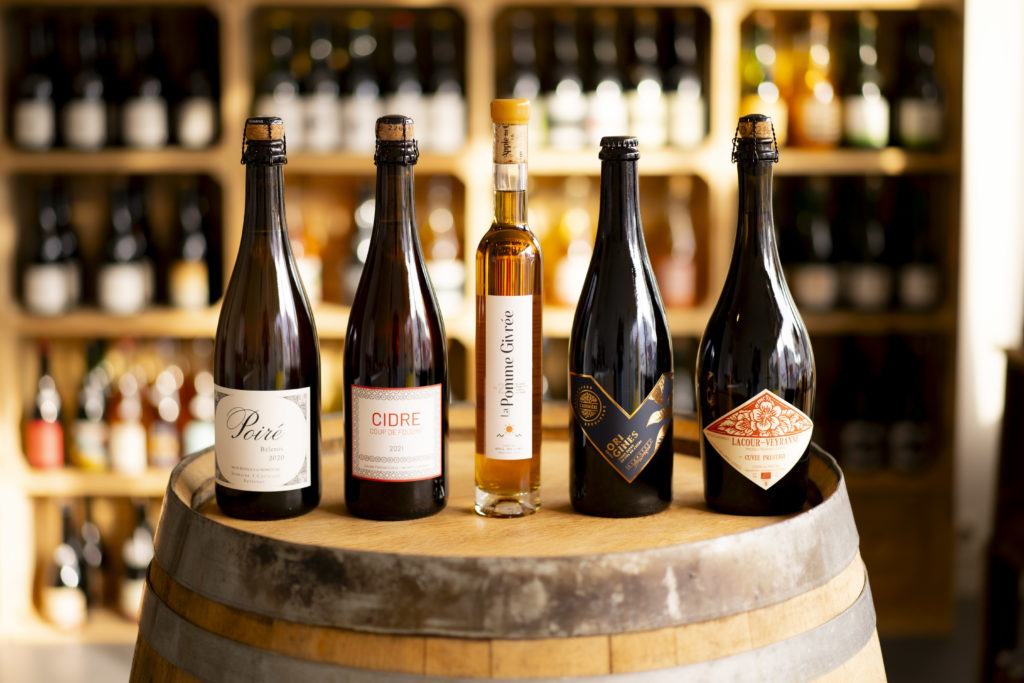
A good crêperie doesn’t just serve delicious crêpes and galettes. It also makes sure to offer drinks that enhance them. And if there’s one essential, it’s definitely cider! A true reflection of an establishment’s standards, a well-chosen cider can turn a simple tasting into a gastronomic experience. 

Choosing real cider

More and more crêperies are highlighting the careful sourcing of their ingredients for making galettes and crêpes: buckwheat, cured meats, cheeses, vegetables, seafood… Unfortunately, this is less often the case when it comes to drinks. Yet, just like in “traditional” restaurants, reading the drink menu is often a good indicator of the quality of sourcing. 

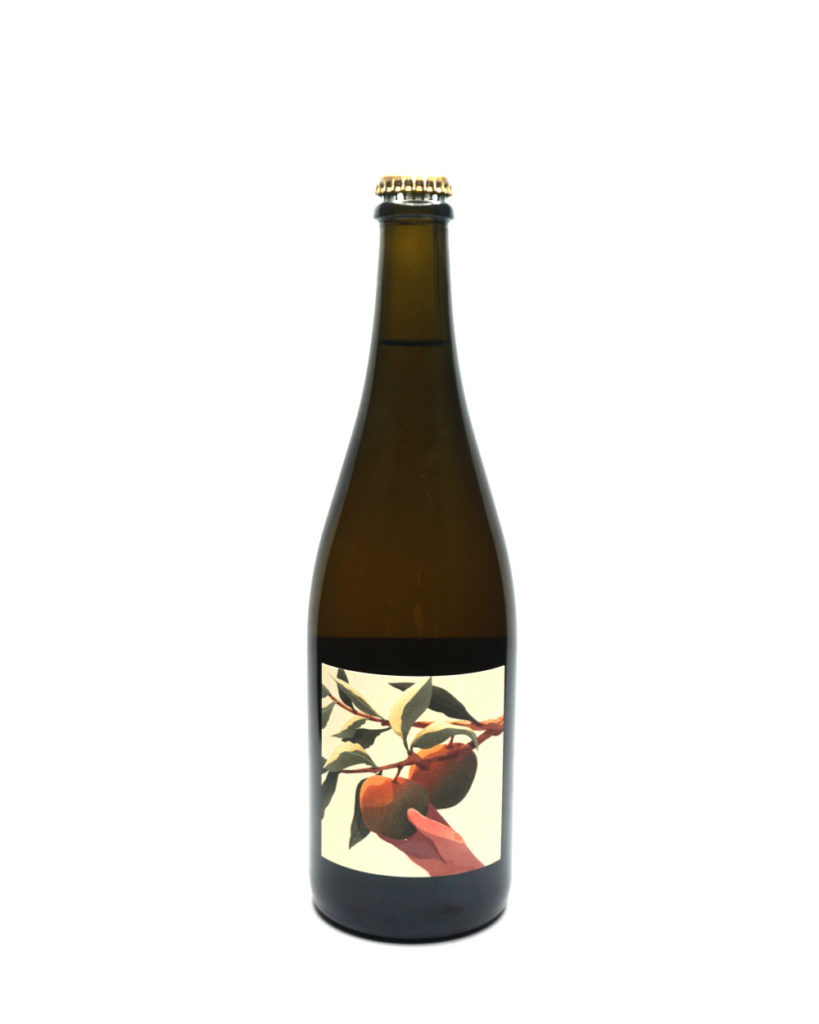
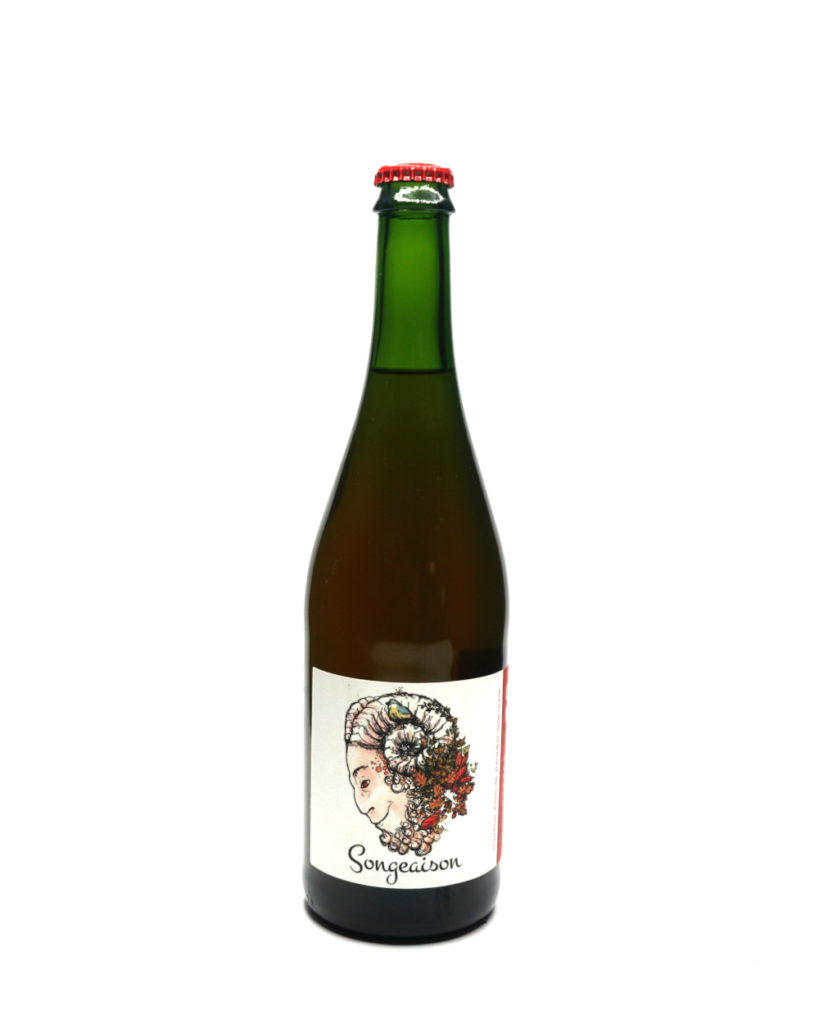
When a crêperie carefully selects its ciders and favors committed producers, it is indeed an excellent sign, especially if those ciders are made with indigenous yeasts, undergo natural carbonation, and contain no added sulfites. 

Unlike industrial ciders, which are often standardized, artisanal ciders preserve their natural character. They reveal rich and complex aromas that enhance every bite. By focusing on these authentic products, a crêperie demonstrates attention to detail and a desire to offer a truly refined tasting experience. 

A wide selection of cider

Offering several varieties of cider is an excellent indicator of quality. An establishment that truly cares will highlight different categories to suit every taste: 

  • Dry cider, crisp and slightly tannic, enhances a buckwheat galette.
  • Medium-dry ciderrounder and fruitier, pairs perfectly with sweet crêpes.
  • Sweet cider, with light and sugary notes, delights those who enjoy a softer taste.
  • Extra-dry cider, even drier and more intense, appeals to lovers of bold flavors. 

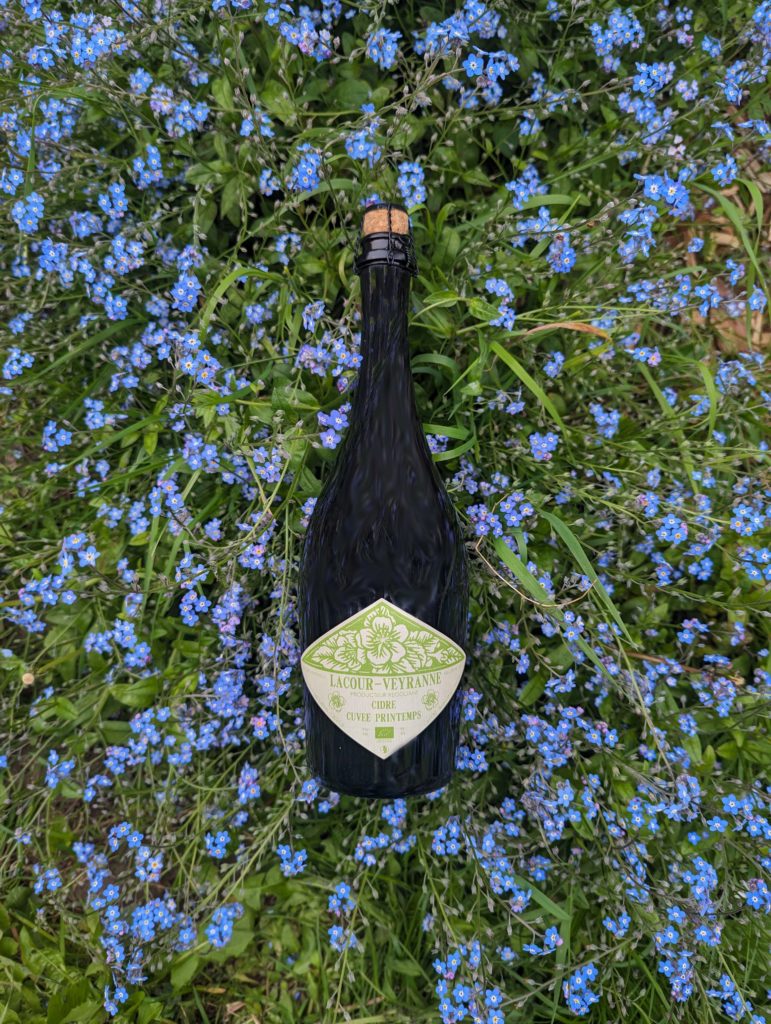
Some crêperies go further by offering special cuvées, such as vintage ciders or those aged in barrels. This diversity reflects real expertise in the art of food and drink pairing, as well as deep respect for cider-making heritage. 

Authentic and responsible cider

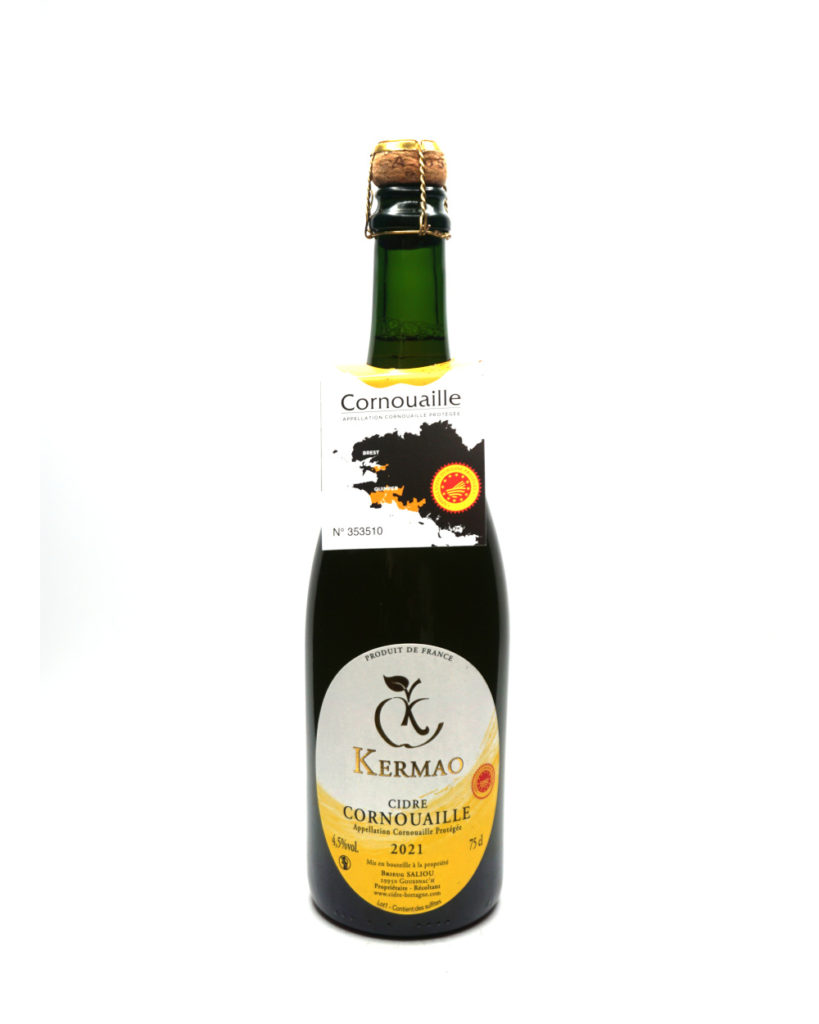
The best crêperies showcase ciders produced responsibly, without additives and sourced from small producers. By favoring Breton, Norman, Basque, and more broadly French ciders, they treat cider not as a simple accompaniment, but as a true local product, carefully and thoughtfully selected. 

Moreover, a well-detailed drink menu is a strong sign of quality. When it only mention general types of cider (dry, sweet, medium-dry…) without specifying the cuvées, it may suggest a lack of attention in the selection. On the other hand, listing the name of the cider along with its region of origin reflects a thoughtful and authentic choice. Conversely, a menu offering only industrial ciders reveals a lack of commitment to artisanal and local products. 

The trap of industrial cider

Imagine a perfectly crisp buckwheat galette, made with high-quality ingredients and paired with a bland, overly sweet industrial ciderWhat a waste! 

Industrial ciders, often too sweet and pasteurized, lack depth and overpower the flavors of crêpes and galettes. A good crêperie knows that a good cider is just as important as the quality of the ingredients in the kitchen. 

What about the traditional “bolée”?

If the crêperie serves its cider in a ceramic bowl, the famous “bolée”, run away! Well… unless you like it, of course. 

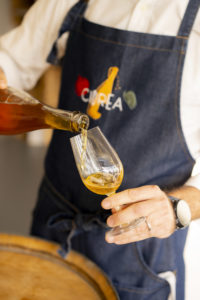
Cider is best enjoyed in a glass, which allows you to fully appreciate its aromas and color. Serving cider in a bowl can be a sign that the establishment prioritizes folklore over quality. That said, some people enjoy the charm of the bolée, so we won’t judge too harshly!

Who trusts us?

We supply many crêperies across France with a wide selection of ciders, ranging from extra-dry to sweet, as well as apple juices and special cuvées. 

Among our trusted partners: 

Paris Breizh,  a well-known brand with several restaurants in the Paris region, has modernized the crêperie concept thanks to Nathalie and Médéric. By focusing on organic, local, and fair-trade ingredients, they ensure freshness and quality, from sweet to savory. Their commitment to traceability and authenticity has helped them build a strong reputation while offering a gourmet and responsible experience. 

Galinetta, a crêpe bar for both sweet and savory options in the heart of Nice, blends tradition and creativity. The establishment relies on fresh, local products to create 100% homemade dishes. Its varied menu features both classic crêpes and original cone-shaped creations filled with surprising ingredients, bringing a unique twist to traditional offerings. 

AMUSE, founded by Baptiste and Marion, is a crêperie on Île de Ré that highlights local ingredients in its homemade crêpes and galettes. More than just a restaurant, it’s a warm and welcoming place where indulgence and conviviality come together, making AMUSE a must-visit spot on the island. 

Les Sables, a crêperie in Le Pouldu in Clohars-Carnoët, offers a unique gourmet experience. Its menu showcases homemade crêpes and galettes made with local products, quickly making it a go-to destination for lovers of great food and seaside scenery. 

Tapioca Crêperie, located in Normandy, serves homemade crêpes made from local ingredients, mainly sourced from nearby farms. Chef Katty reinvents tradition by incorporating Latin American and Italian flavors. Committed to sustainability and respect for nature, this friendly crêperie combines indulgence with strong ethical values.

Our cider guide: