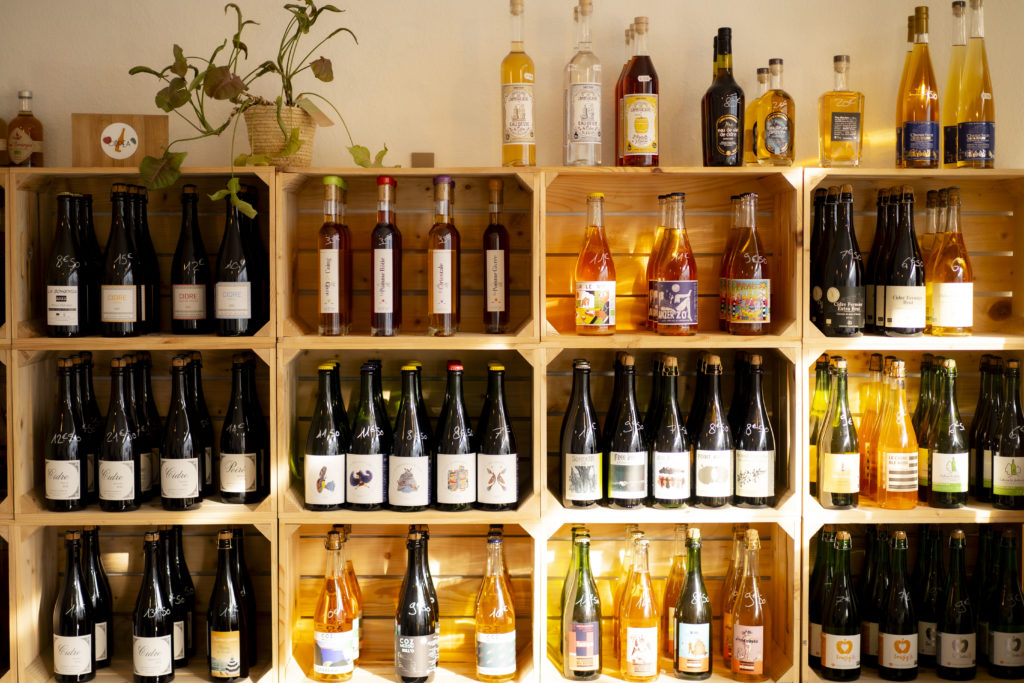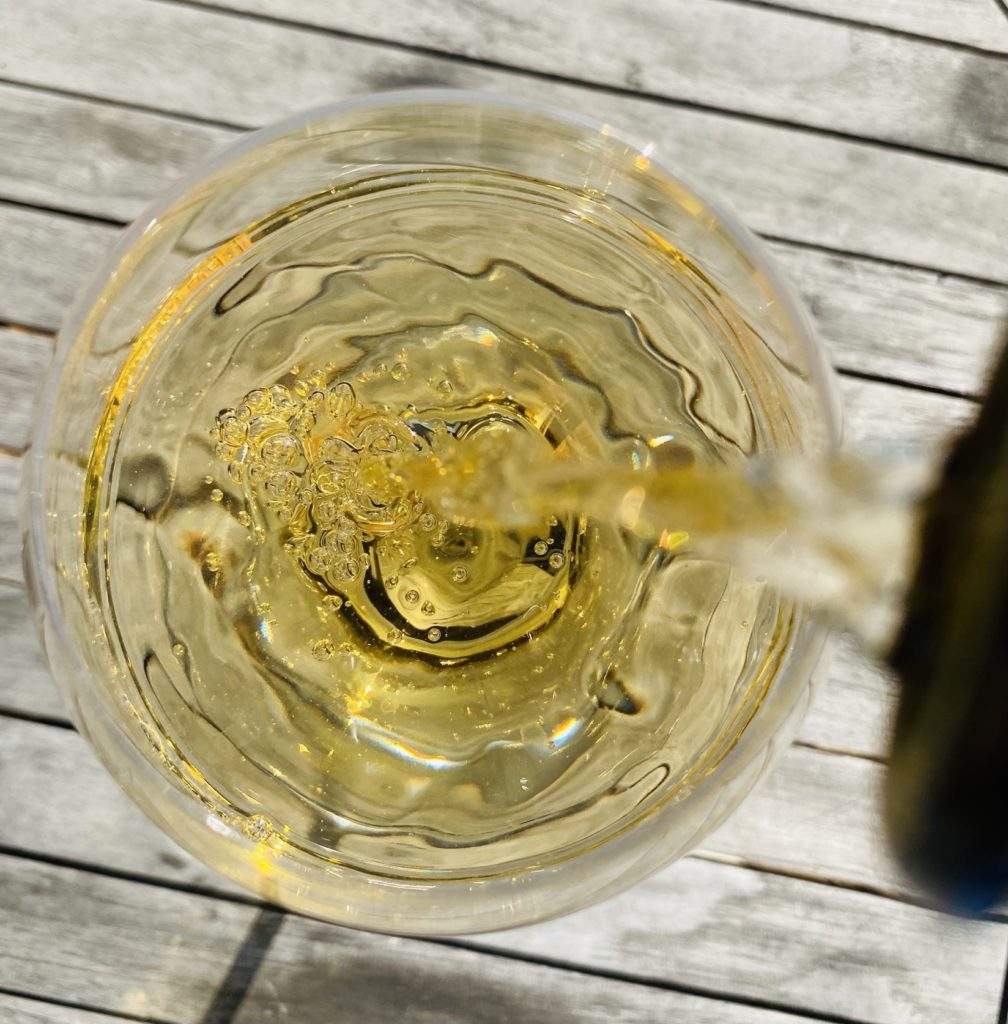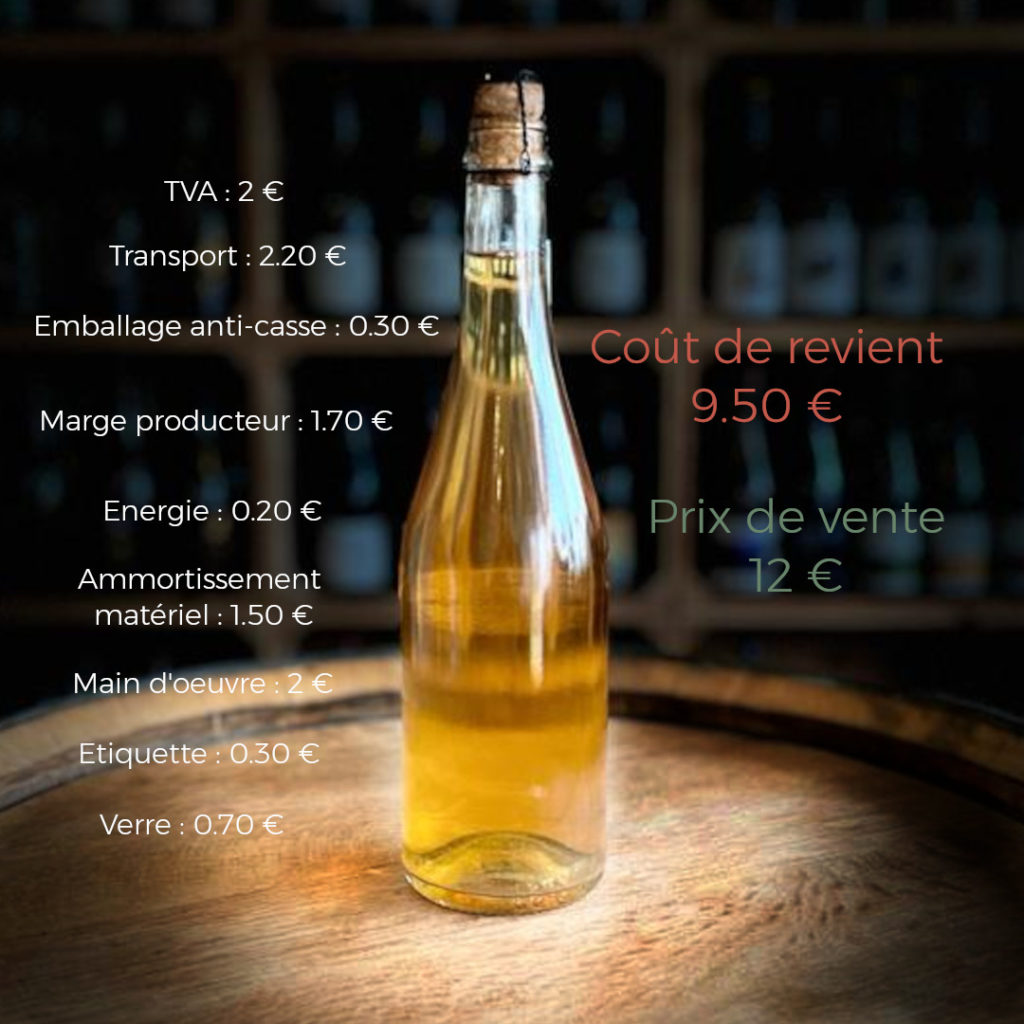
French perries, often overlooked by the general public, are a hidden treasure of the nation’s gastronomic culture. Though less famous than their cider cousins made from apples, pears, especially when crafted into perry, possess a history and richness that deserve to be discovered. This ancient beverage, both subtle and fruity, is far more than just an alternative to cider; it is a standalone product that reflects the authenticity and expertise of French producers.
Perrys: The Art of Pear Cider
What is perry?
Perry is a fermented beverage made from pear juice, using a process similar to that of cider, which is made from apples. However, unlike cider, perry is exclusively crafted from specific pear varieties, often heirloom and less common types. It can range from sweet to dry, with an alcohol content generally varying between 2.5% and 5% ABV.
The production of perry is a traditional and demanding process. It all begins with the harvest of high-quality pears, whose juice is extracted and then fermented. While cider can be made from various types of apples, perry production relies on a selection of appropriate pears for fermentation, often firm-fleshed, juicy varieties with high sugar and aromatic content. Depending on the pear variety and the fermentation process, perries can be light and crisp or more complex.
The origins of perry
The production of perry dates back several centuries ans is rooted in the regions of Western France, particularly Normandy and the Pays de la Loire. These areas renowned for their temperate climate and fertile soil have long been ideal lands for cultivating numerous pear varieties. Historically, laking perry was a way for farmes to make the most of their orchard fruits, especially during years of abundant harvest.
For a long time, perry was consumed as a local beverage, particularly in the coutryside, where it was appreciated as a natural refreshment. It is often considered the traditional drink of the Domfrontais region in Normandy, an area famous fo its pear orchards.
Crafting perry: An ancestral expertise
The production of perry involves several meticulous steps. After the harvest, the pears are sorted and pressed to extract their juice.
Perry pears, like table pears, are particularly delicate fruits. This is why, in most cases, pears are harvested by hand and processed within the same day. One unique detail: unlike apples, pears sink. To wash them, they require a gentle “spa treatment”, injecting light air bubbles into the washing tank to ensure a delicate cleaning process.
This juice is then fermented, sometimes with the addition of natural or selected yeasts.
Fermentation time is crucial. Some producers choose a long fermentation to develop more complex aromas, while others prefer a shorter process for a fresher, fruitier result. Perry can be dry or slightly sweet, depending on the producer’s style.
After fermentation, the perry is bottled, where it sometimes continues to evolve and gain finesse. Some perries are age-worthy and gain complexity over time, much like fine wines or vintage ciders.
Perry varieties in France
While perry is produced in several regions, some stand out for their richness and diversity of their offerings.
Among the most famous are:
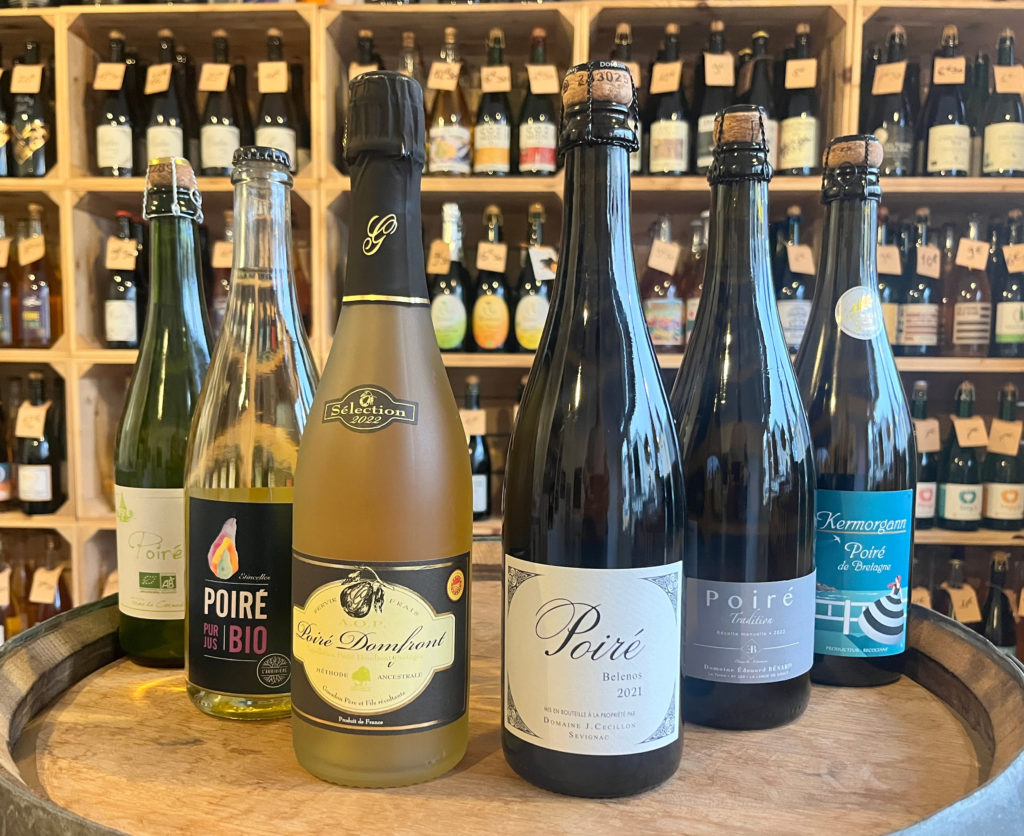
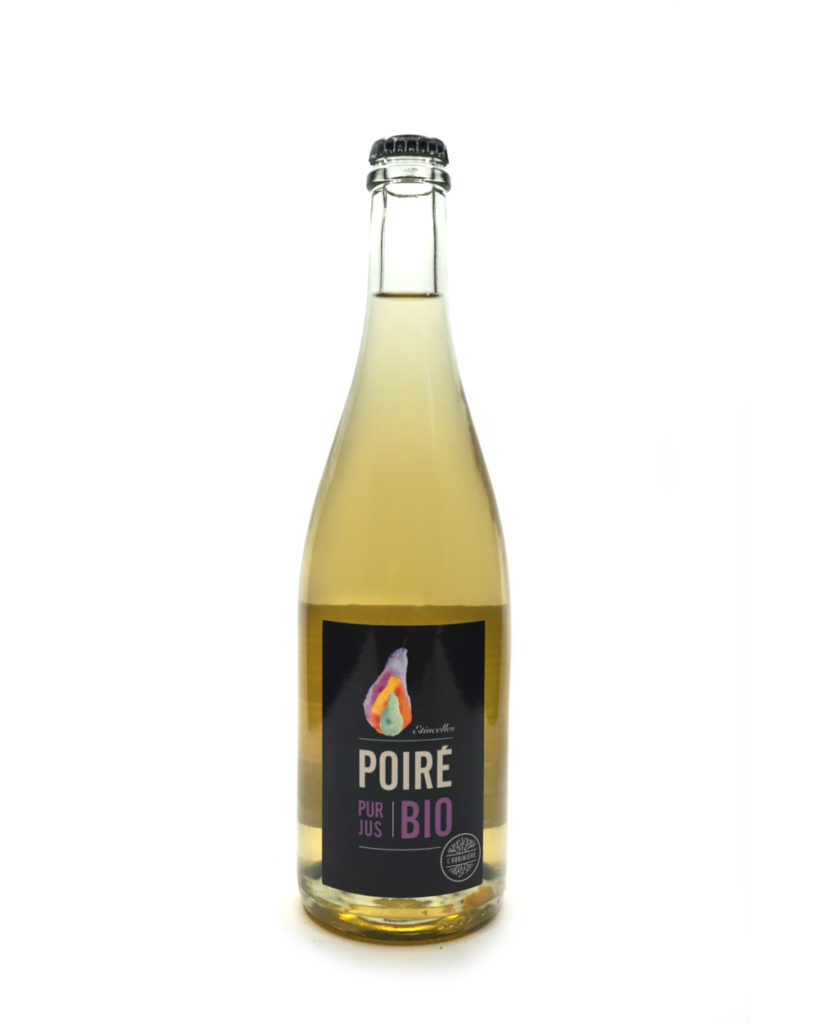
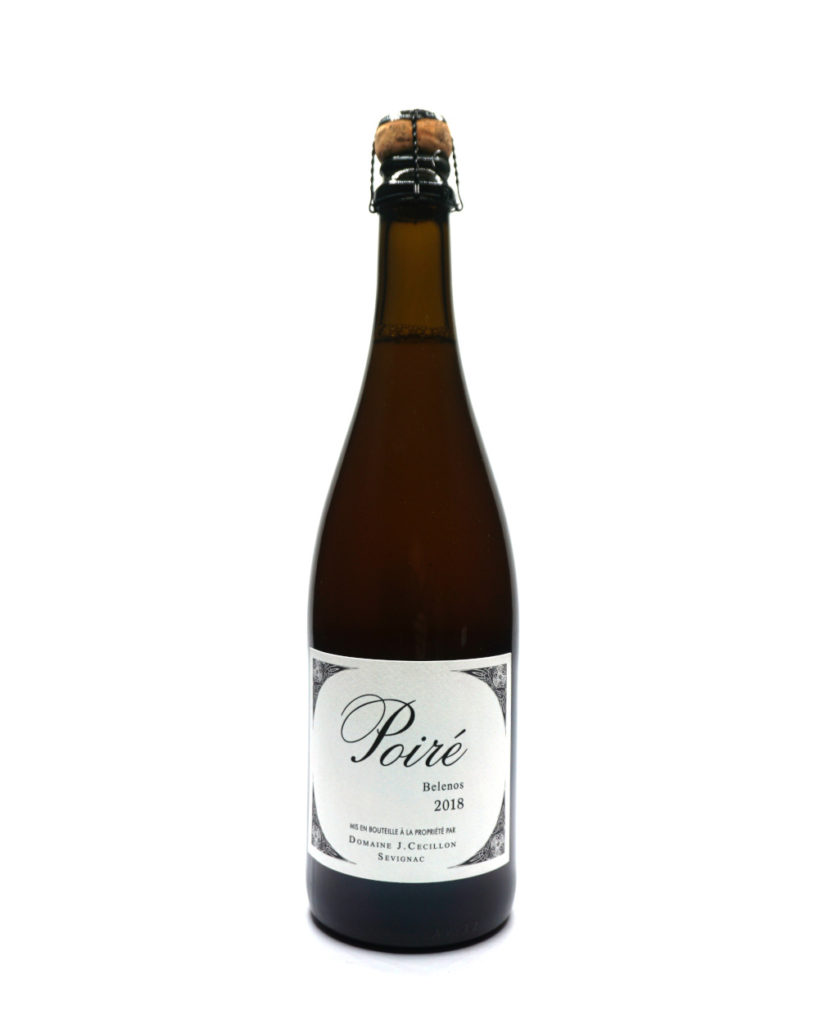
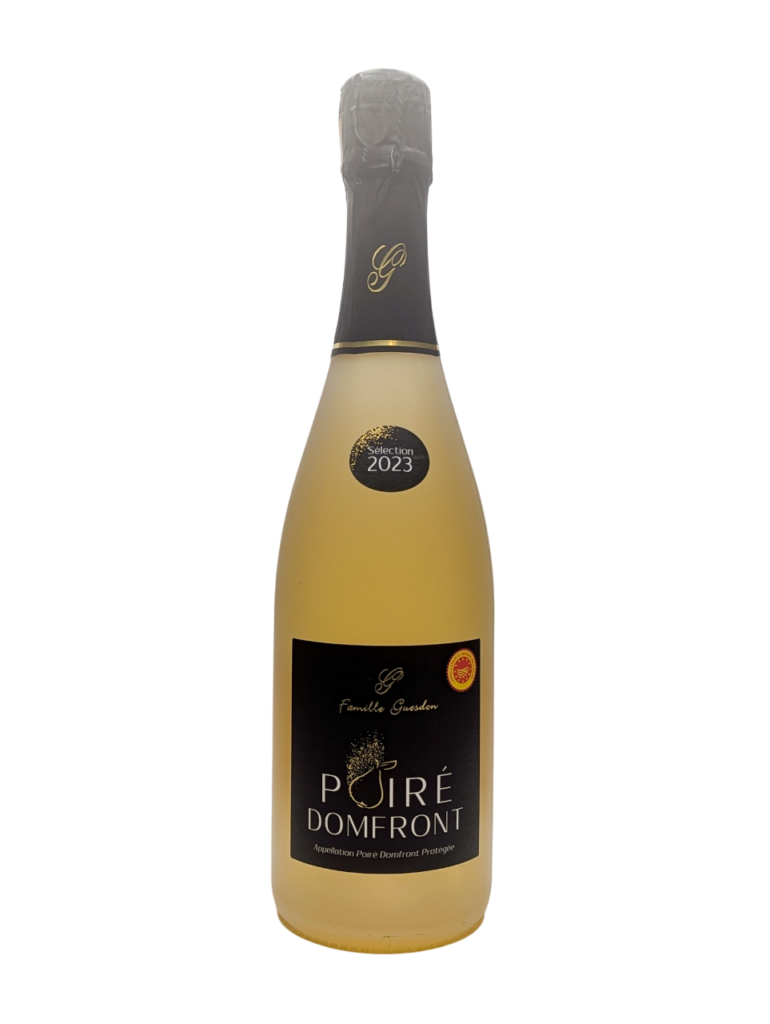
– Domfrontais Perry : Hailing from the Domfront, in the Orne department, this perry holds a Protected Designation of Origin (AOP/AOC) and is often a blend of different pears varieties. It is distinguished by its finesse and lightness.
– Breton Perry: This region also offers delicious perries, characterized by rounder aromas and a more velvety texture.
– Loire Perry : In the Pays de la Loire region, producers often caft drier perries with a light acidity that provides a beautiful freshness.
How to taste perry?
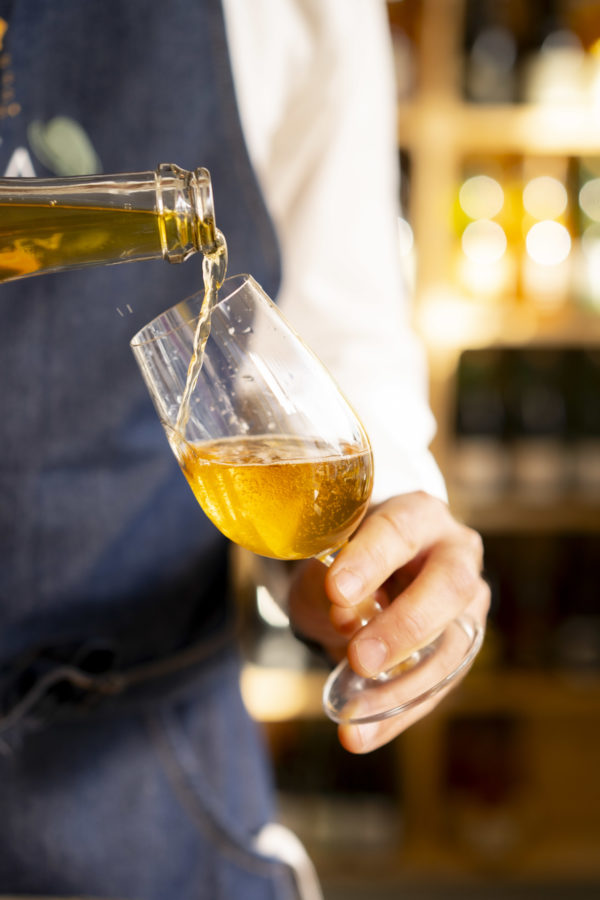
Perry tastes much like cider, though it is generally more refined and sometimes sweeter. It should be served chilled, at a temperature around 10°C, in flutes or wine glasses to fully appreciate its aromas. It can be enjoyed on its own as an aperitif or paired with delicate dishes such as seafood, blue cheese, or fruity desserts.
Perry also lends itself beautifully to accompanying classic French cuisine. It pairs particularly well with Norman specialties like camembert or tripe à la mode de caen. Its natural sweetness also harmonizes with sweet crêpes, fruit tarts, and even chocolate desserts.
To learn more about tasting Perry, check out our dedicated article on this sensory journey!
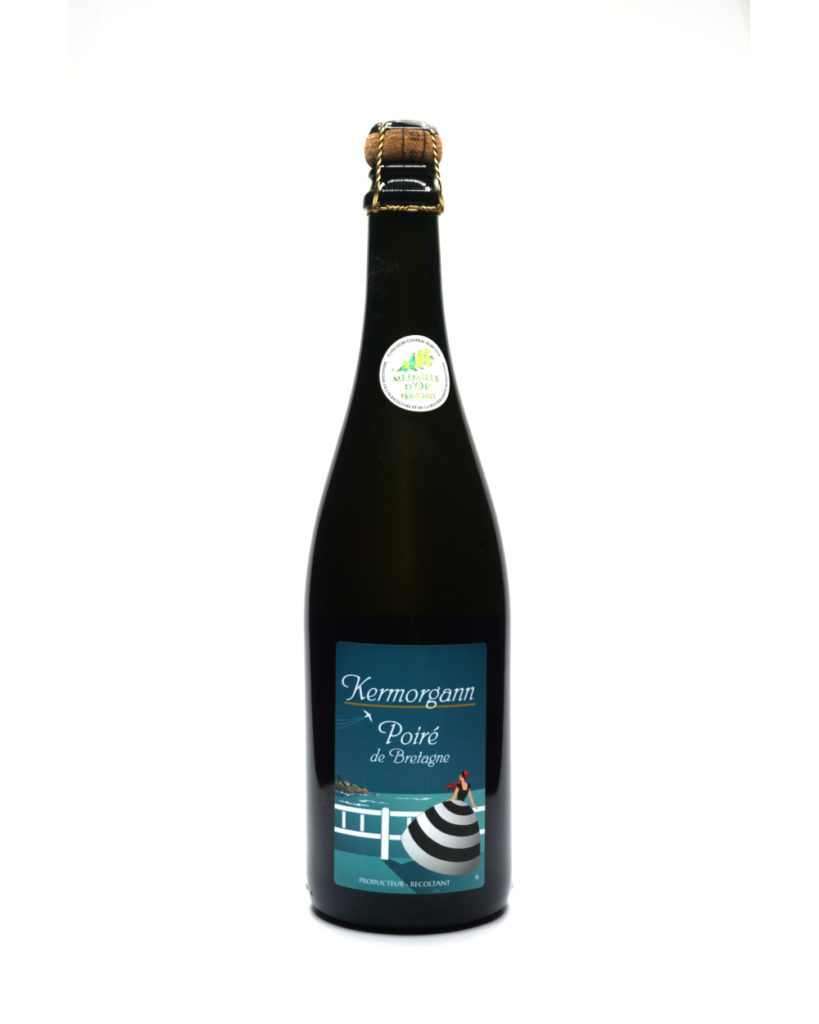
Why choose French Perry?
Perry represents much more than a simple alternative to cider, it is a quintessentially French product that showcases local agriculture and artisanal craftmanships.
By choosing a French perry, you are supporting a tradition that dates back centuries and contributing to the preservation of heirloom pear varieties, often grown using sustainable and environmentally friendly methods.
Furthermore, perry offers a unique tasting experience, less acidic than cider and lighter than many wines. WIth its wide range of flavors, from fruity to dry, there is a profile to suit every palate.
In conclusion, if you have yet to discover French perry, now is the time to let yourself be charmed by this delicate beverage. As an emblem of French craftmanship, it invites you to explore a world of rich flavors that remains all too rare among fans of fermented drinks.
Rediscover perry with our varieties from Domfront, Brittany, Normandy, and Mayenne…