AOP Pays d’Auge

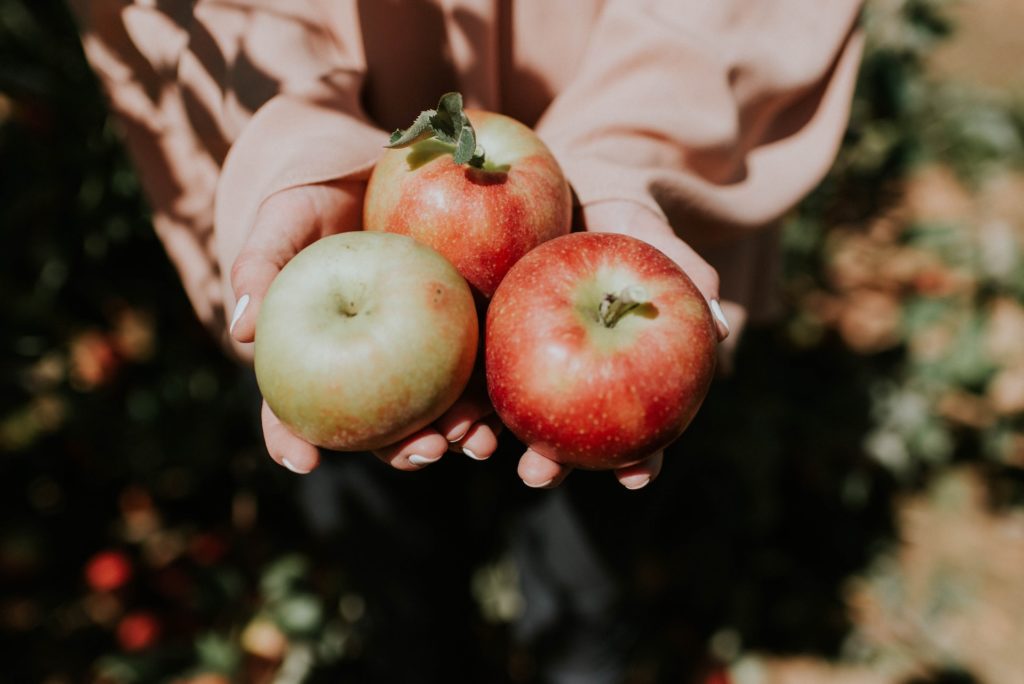
In the heart of Normandy,  between rolling orchards and lush green bocages, producers craft the cider of the Pays d’Auge. It symbolizes the excellence of a knowledge patiently passed down through generations. 

Over the years, Norman farmers have shaped this art form by working with local apples with ever-increasing mastery. Step by step, they have refined their techniques to produce a cider that has become an emblem of the terroir. 

This tradition quickly gained recognition: in 1996, authorities granted it the Appellation d’Origine Contrôlée (AOC). Later, in 1998, the Appellation d’Origine Protégée (AOP) reinforced this distinction, certifying the product’s authenticity and the rigorous standards of its production.   
The criteria of the Pays d’Auge AOP/ PDO

The Pays d’Auge AOP primarily covers the Calvados department, along with a few communes in Orne and Eure. This terroir is distinguished by its clay-limestone soil and a temperate oceanic climate, both ideal for cider apple trees.

Thanks to these conditions, the cider achieves a perfect balance, blending liveliness, structure, and a beautiful aromatic finesse. 

Pays d’Auge AOP cider is made exclusively from apples grown in “high stem” orchards, located within the defined geographical area. 

Among the flagship varieties are Mettais, Saint Martin, and Domaine, which are prized for their bitter and bittersweet flavors.  

In total, more than 50 tannic varieties, rich in phenolic compounds, are used in the blending process. Together, they offer a complex aromatic palette, balancing sweetness, bitterness, and acidity. 

To obtain the Pays d’Auge Protected Designation of Origin (AOP), the cider must meet strict requirements, particularly regarding its alcohol content: 

An actual alcoholic strength by volume (ABV) of more than 3.5% 

A total alcoholic strength by volume exceeding 6% 

These criteria guarantee an ideal concentration of aromas and a harmonious structure, giving the cider all its richness and character.  

Obtaining the Pays d’Auge Protected Designation of Origin (AOP) relies above all on rigorous craftsmanship, faithful to Norman traditions. First, producers harvest the apples at peak ripeness, select them with care, and then press them to extract the must. 

This is followed by a slow and 100% natural fermentation, without any additives. In this way, the cider preserves its authenticity and fully reflects its terroir. 

The cider’s effervescence is born naturally, solely through in-bottle fermentation, without any added CO2, resulting in a fine and elegant bubble. 

Producers apply no heat treatment or pasteurization, which preserves the richness of the flavors and the complexity of the aromas. 

Unlike industrial ciders, no artificial carbonation takes place, guaranteeing an authentic cider that remains true to its terroir. 

Finally, the cider is crafted from 100% pure apple must, with no concentrates or additives, to faithfully reflect the Norman terroir and traditions. 


Tasting Guide

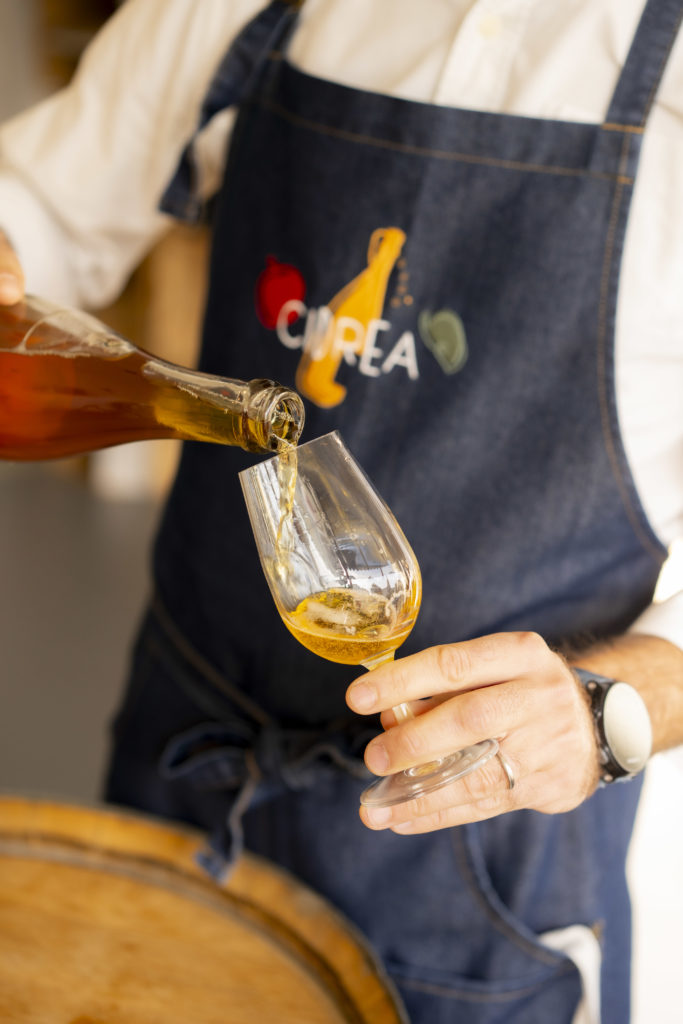
At first glance, Pays d’Auge AOP French Cider charms with its golden hue and amber highlights. From the very first nose, it reveals fruity aromas enhanced by a hint of spice. 

On the palate, it is a pleasant surprise: the balance between acidity and sweetness is perfectly struck. This is complemented by a full-bodied texture, fine bubbles, and supple tannins, giving it a semi-dry style that is both refined and generous. 

Thanks to its aromatic richness and balanced structure, Pays d’Auge french cider pairs perfectly with: 

  • Norman cheeses (camembert, pont-l’évêque, livarot).
  • Seafood (oysters, mussels, scallops).
  • White meats (roasted poultry, pork tenderloin with apples).
  • Fruity desserts (tarte tatin, apple pie, crumble)
  • Sweet and savory dishes (duck breast with caramelized apples).

This exceptional French cider sublimates Norman gastronomy, promising an authentic and refined tasting experience!

Want to learn more about cider? Check out the other articles in our guide: