Cider, this sparkling and fruity beverage made from fermented apples, delights taste buds across the globe. Each country has given its own identity, shaped by its terroir and local know-how. From France to Latin America, passing through Spain and Canada, let’s set off on a journey into the heart of cider-making traditions.
Cider Around the World: Traditions and Flavors from Elsewhere
France: A Land of Excellence in Cider
Each year, the French consume nearly 90 million liters of cider. This figure makes France a true benchmark in the field. Among the leading regions, Normandy and Brittany hold a special place. Each offers a wide variety of ciders: sweet, dry, or semi-dry.
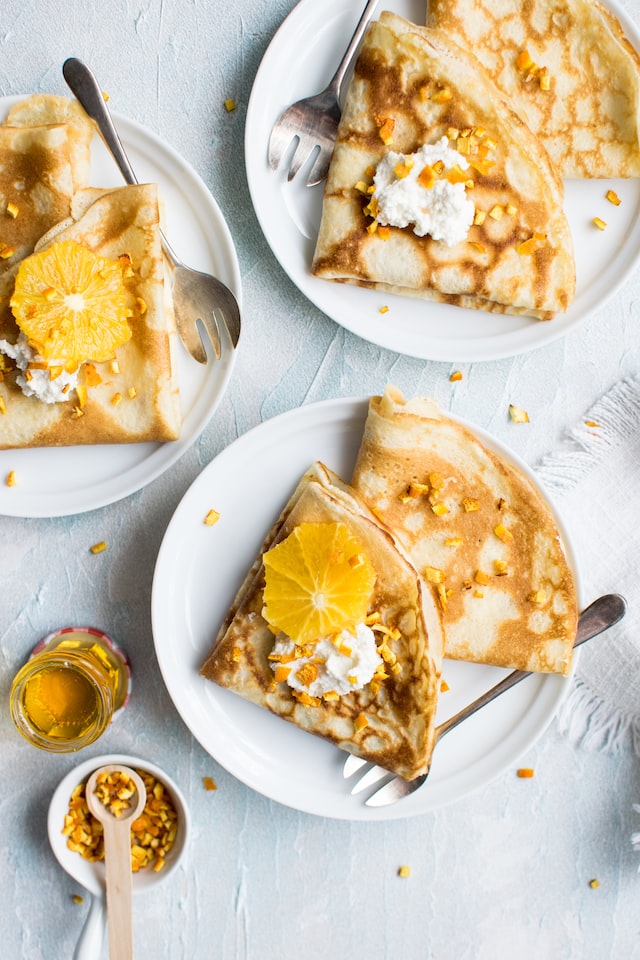
These cuvées, with their rich and nuanced aromas, pair with much more than traditional Breton galettes. They also go wonderfully with strong cheeses, seafood, and desserts. In short, their pairing potential goes far beyond the classics.
Moreover, certain designations such as Cidre de Cornouaille (PDO) or Cotentin cider reflect a carefully preserved artisanal expertise passed down through generations.
Finally, further south, the Basque Country, often considered the birthplace of cider, offers dry and lively cuvées. They are particularly well suited to accompany tapas.
Spain and Its Bold-Character Sidra
In Spain, sidra is much more than just a drink. In Asturias and the Basque Country, it is an integral part of the lifestyle. Each year, producers craft nearly 500,000 hectoliters of this specialty.
Its tangy flavor and low effervescence immediately set it apart. But what surprises most is its unique serving method. It is poured from a height into a tilted glass to aerate it and release the full richness of its aromas.
In traditional sidrerías, this ritual becomes a true spectacle. Sidra is enjoyed with local cheeses or fine cured meats, creating an experience that is as convivial as it is flavorful.
The United Kingdom and Ireland with their Cider
The United Kingdom and Ireland share a long-standing passion for cider, or “cider,” as it is called there. Yet each country has developed its own traditions. Together, these two nations account for a major share of global consumption.
On one hand, the United Kingdom offers strong ciders, often ranging between 5% and 8% alcohol, with distinctly tannic flavors. On the other hand, Ireland favors lighter, fresher versions, characterized by fruity notes and a gentle sparkle.
Moreover, cider is everywhere: in pubs, at festivals, and even at large public gatherings. In England, the “West Country Cider Festival” is a perfect example. Ireland also hosts numerous cider celebrations.
In short, whether sweet, sparkling, or spiced, cider stands as a staple of British and Irish culture.
Germany and its Apfelwein
In Germany, cider goes by the name Apfelwein. There, this dry and lightly sparkling drink is celebrated each year, with nearly 40 million liters consumed. Unlike fruitier versions, it stands out for its simplicity and raw taste perfect for those who appreciate authenticity.
By tradition, it is served in ceramic pitchers called Bembel, adding a touch of folklore to the tasting experience. When it comes to pairings, Apfelwein goes wonderfully with typical dishes such as Handkäse mit Musik, a marinated cheese, or local sausages.
And for those who prefer a milder version? It is sometimes mixed with sparkling water to soften the flavors while preserving its freshness.
Thus, balancing tradition and simplicity, Apfelwein embodies the convivial spirit of the Hesse region in its own way.
North America: Between Tradition and Modernity
Across the Atlantic, cider is experiencing a revival, driven by growing enthusiasm for artisanal products. In the United States, producers compete in creativity. The result: hopped, spiced, or fruit-infused ciders are filling the shelves, reflecting the diversity of American tastes.
Further north, in Canada and especially in Quebec one specialty truly stands out: ice cider. Made from naturally frozen apples, it produces a rich, elegant, and intensely aromatic drink, perfect for pairing with desserts.
Today, with more than 5 million liters produced each year, ice cider has become a pillar of Quebec’s gastronomy. In short, North America is reshaping the world of cider, blending bold innovation with refinement.
Latin America: A Festive Drink Par Excellence
In Latin America, cider takes center stage during end-of-year celebrations. For example, in Argentina, it dominates the sparkling beverage market at Christmas and New Year’s, holding 90% of the market share. Lighter than its European counterparts, with an alcohol content between 2% and 5%, it is perfectly suited for moments of family sharing.
Meanwhile, in Mexico, several cider producers focus on dry and artisanal versions. As a result, they appeal to a new generation of enthusiasts who are constantly seeking original and authentic flavors. In short, cider brings rhythm to Latin festivities with both finesse and diversity.
Although rooted in tradition, cider continues to evolve dynamically. Today, innovations are flourishing: organic ciders, infused varieties, and creatively reimagined flavors.
Whether one prefers the sweetness of French cider, the liveliness of Spanish sidra, or the richness of German Apfelwein, one thing is certain: there is a cider for every palate, ready to surprise and delight enthusiasts around the world.
Discover our farm-fresh and artisanal ciders from all over France.